
}})
Premature ejaculation (PE) is when a man ejaculates sooner than he or his partner would like during sexual activity, consistently, and with little control over timing. It is the most common form of male sexual dysfunction globally, affecting an estimated 20–30% of men regardless of age or ethnicity.
Despite how widespread it is, PE is surrounded by silence. Men frequently avoid bringing it up with partners or doctors, assuming it is shameful or unfixable. In reality, premature ejaculation is a well-understood condition with clear causes and multiple effective treatment options. The first step toward solving it is understanding what you're dealing with.
What Is Premature Ejaculation?

The International Society for Sexual Medicine (ISSM) defines PE using three core criteria:
- Short ejaculatory latency - ejaculation occurs within approximately one minute of penetration (in lifelong cases) or a significantly reduced time compared to before (in acquired cases)
- Lack of control - the man cannot reliably delay ejaculation
- Negative personal consequences - the pattern causes distress, frustration, or avoidance of intimacy
Occasional early ejaculation does not qualify as PE. The condition is defined by its persistence, its lack of control, and the distress it causes - not by any single experience.
How Common Is Premature Ejaculation?
PE affects roughly 1 in 3 men in the United States between the ages of 18 and 59, making it far more common than most men realise. Crucially, it does not discriminate by age - younger men frequently experience it due to anxiety and inexperience, while older men may develop it alongside other health changes.
Many men never seek help because they assume it will resolve on its own or because they do not know that treatment exists. Both assumptions cost them time and relationship quality that could be reclaimed.
Types of Premature Ejaculation

Understanding which type of PE you have is important because it guides treatment. Clinicians recognise four distinct classifications.
Lifelong (Primary) PE
Lifelong PE - also called primary PE - has been present since a man's first sexual experiences. It follows a consistent pattern throughout his life: ejaculation happens very quickly, with minimal stimulation, and ejaculatory control has never been reliably achieved. This type is most likely rooted in neurobiological factors, including serotonin sensitivity in the brain.
Acquired (Secondary) PE
Acquired PE develops after a period of normal ejaculatory control. It appears at some point in a man's sexual history and represents a change from his baseline. Common triggers include a new relationship dynamic, the onset of erectile dysfunction, hormonal shifts, or a stressful life event. Because something has changed, there is usually an identifiable underlying cause to address.
Natural Variable PE
This type involves inconsistent early ejaculation - it happens sometimes but not always, without a fixed pattern. It is considered a normal variation in sexual function rather than a clinical disorder. Men with natural variable PE typically do not need medical treatment, but they may benefit from learning behavioural techniques to improve consistency.
Subjective PE
In subjective PE, a man perceives himself as ejaculating too quickly despite having a clinically normal ejaculatory latency. This is primarily a psychological experience - driven by unrealistic expectations, anxiety, or comparison with exaggerated media portrayals of sex. Therapy is generally the most appropriate treatment pathway here.
Causes of Premature Ejaculation
PE is a multifactorial condition. In most cases, both psychological and biological elements contribute simultaneously.
Psychological Causes

Psychological factors are the most frequently identified drivers of PE - especially in younger men and those with acquired PE:
- Performance anxiety - fear of ejaculating too quickly becomes a self-fulfilling cycle. The more a man dreads it, the more likely it is to happen. Anxiety accelerates arousal and removes the cognitive space needed to regulate response.
- Stress and depression - emotional tension impairs a man's ability to relax during sex and maintain control. Generalised stress and depression disrupt the neurological signals that govern ejaculatory timing.
- Negative sexual history - early experiences involving guilt, shame, or urgency (such as needing to finish quickly to avoid discovery) can condition the body toward rapid ejaculation.
- Relationship conflict - poor communication, unresolved conflict, or emotional disconnection between partners creates psychological pressure that worsens PE.
Biological and Physical Causes

A range of physical factors also contribute to or cause PE:
- Serotonin sensitivity - low serotonin activity in the brain is linked to faster ejaculation. This is why SSRIs, which raise serotonin levels, are effective treatments for PE.
- Penile hypersensitivity - some men have heightened nerve sensitivity in the penis, which lowers the threshold for the ejaculatory reflex.
- Hormonal imbalances - abnormal levels of testosterone, thyroid hormones, or prolactin can all disrupt ejaculatory control.
- Prostate or urethral inflammation - infections or inflammation in the prostate or urethra are associated with an increased risk of PE.
- Genetic factors - research suggests that PE may run in families, pointing to an inherited neurobiological predisposition.
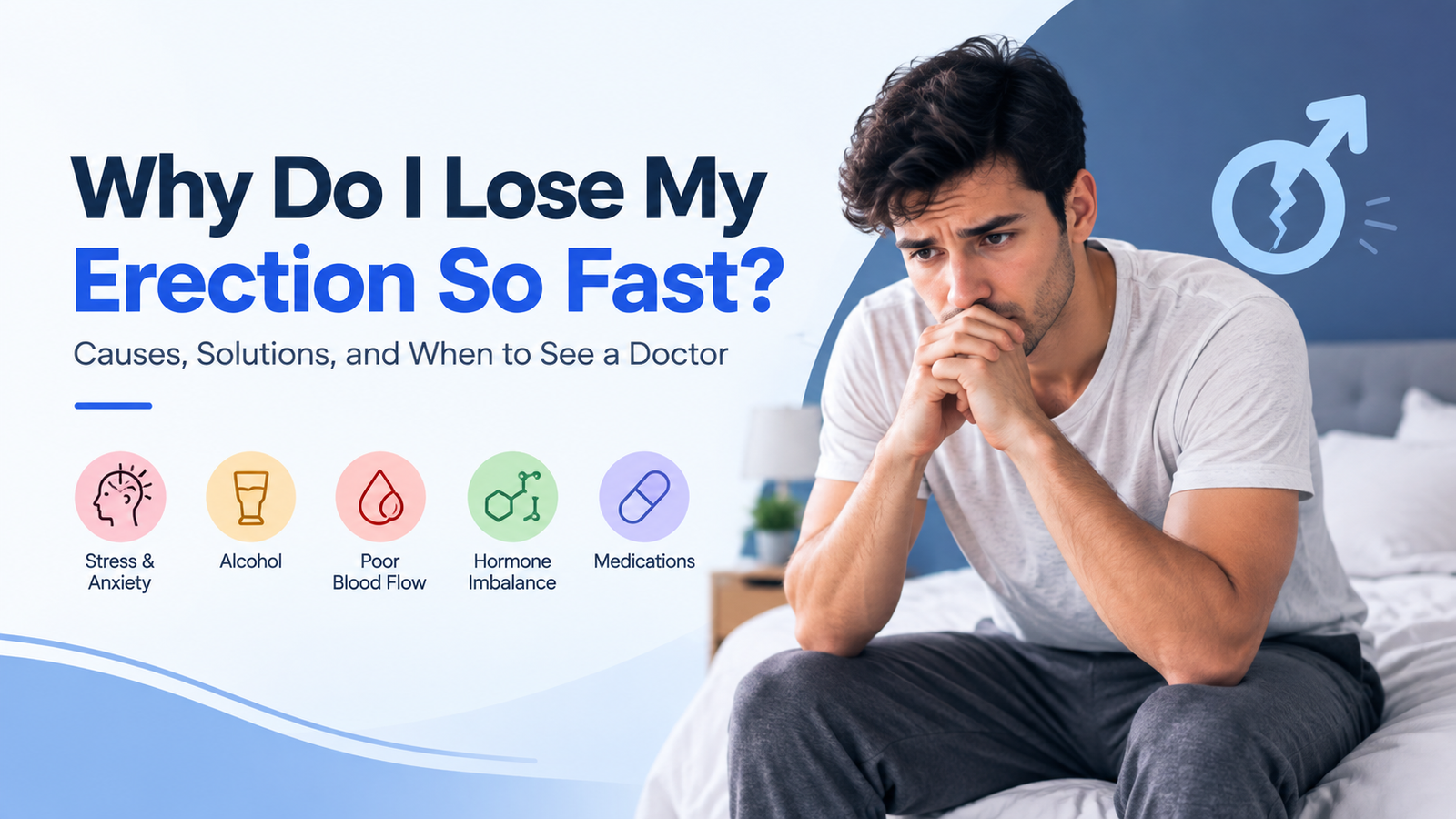
- Erectile dysfunction - men who experience difficulty maintaining an erection often develop PE as a secondary response, rushing to ejaculate before losing the erection.
- Withdrawal from certain substances - discontinuing narcotics or medications like trifluoperazine has been associated with PE onset.
How PE Affects Relationships
Premature ejaculation does not only affect the man experiencing it - it affects his partner and the relationship as a whole. Partners often feel less connected, confused, or hurt, particularly if communication about the issue is absent.
Men with PE frequently experience:
- Shame and reduced self-esteem
- Avoidance of sexual intimacy altogether
- Increased relationship tension
- Difficulty discussing the problem openly
Couples who address PE together - through open conversation, mutual exploration of techniques, and shared involvement in treatment - consistently report better outcomes than those who treat it as a solo problem to fix in private.
Premature Ejaculation Treatment Options
Treatment for PE is highly effective. Multiple approaches exist, and the best plan typically combines more than one.
Behavioural Techniques
Behavioural therapy is often the first line of treatment, particularly for psychological PE. These exercises are designed to build ejaculatory awareness and control over time.
- The squeeze technique - during sex or masturbation, when ejaculation feels imminent, the man or his partner applies firm pressure to the tip of the penis for several seconds. This reduces arousal and delays ejaculation. Studies suggest roughly 64% of men maintain improved control over time with this method.
- The start-stop technique - sexual stimulation is paused just before the point of ejaculation, then resumed once the urge passes. Repeating this cycle builds tolerance and control. Best practised during masturbation initially, then with a partner.
- Pelvic floor exercises - strengthening the pelvic floor muscles (the same muscles used to stop urination midstream) has shown promising results in helping men regulate ejaculatory timing.
Topical Anesthetics
Numbing creams and sprays applied to the head and shaft of the penis are an accessible first-line option to delay ejaculation. They reduce sensitivity, lowering the speed of arousal response.
- Applied 10–30 minutes before sexual activity
- The penis should be washed before sex to avoid numbing the partner
- Available over the counter or on prescription, depending on the formulation
- Commonly used ingredients include lidocaine and prilocaine
These products are particularly useful for men with penile hypersensitivity as a contributing cause.
Medications (SSRIs and Others)
For moderate to severe PE - or when behavioural techniques alone are insufficient - medication provides strong results.
- SSRIs (Selective Serotonin Reuptake Inhibitors) - oral SSRIs are considered the first-line pharmacological treatment for PE. By increasing serotonin activity, they delay the ejaculatory reflex. Dapoxetine is the only SSRI specifically licensed for PE and is designed to be taken on-demand, 1–3 hours before sex. Other SSRIs such as paroxetine and sertraline may be prescribed as daily medication.
- Tramadol - an opioid-based pain medication that also delays ejaculation, used off-label in some cases. Its mechanism is not fully understood but may involve serotonin and norepinephrine modulation. Used cautiously due to dependency risk.
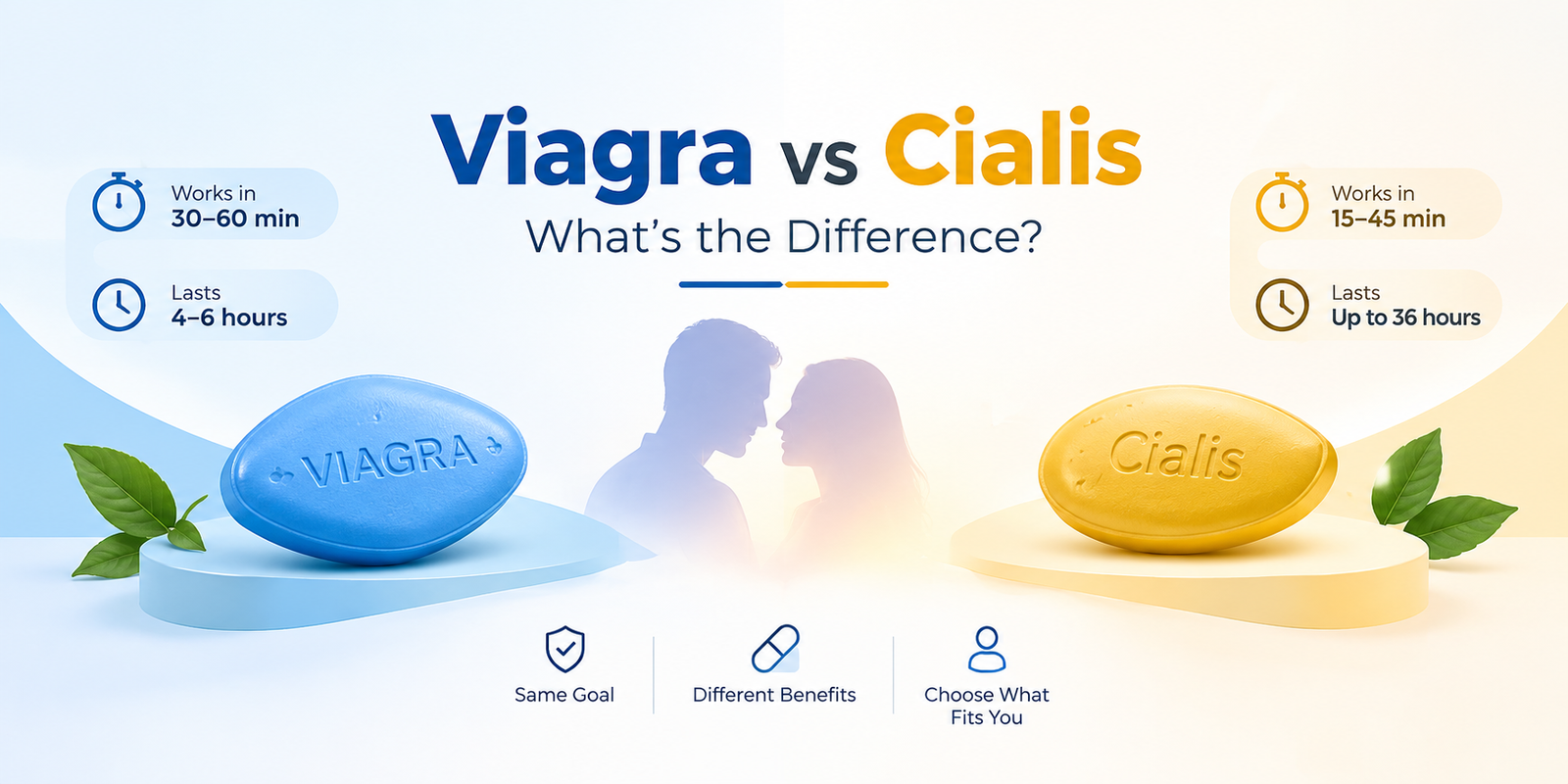
- PDE-5 inhibitors - medications like sildenafil (Viagra) are not primary treatments for PE, but they can help in men who have both PE and underlying erectile dysfunction. Reducing anxiety about maintaining an erection may secondarily improve ejaculatory control.
Research consistently shows that combination therapy - SSRIs alongside behavioural and psychological therapy - produces the best long-term outcomes for both lifelong and acquired PE.
Therapy and Counselling
When PE has psychological roots - or when it has created psychological consequences - professional support is invaluable.
- Sex therapy - a trained sex therapist works with the individual (or couple) to address the emotional and relational dimensions of PE. Exercises, education, and guided communication are core tools.
- Cognitive behavioural therapy (CBT) - CBT identifies and challenges the thought patterns driving performance anxiety and sexual avoidance, replacing them with healthier responses.
- Couples counselling - if PE is straining the relationship, joint counselling creates a space for both partners to address their feelings and rebuild intimacy with less pressure.
Lifestyle Changes
Lifestyle modifications are rarely discussed in the context of PE, but they play a meaningful supporting role:
- Quit smoking - smoking impairs vascular function and neurological signalling, both of which affect ejaculatory response.
- Limit alcohol - while alcohol may temporarily reduce inhibition, it disrupts long-term nervous system health and can worsen PE over time.
- Exercise regularly - physical activity reduces cortisol, improves testosterone levels, and supports the cardiovascular system - all of which support better sexual control.
- Improve sleep - sleep deprivation raises stress hormones and reduces the neurological capacity for self-regulation during sex.
- Manage stress - mindfulness practices, regular physical activity, and stress reduction strategies directly lower the anxiety that drives performance-related PE.
When to See a Doctor
See a doctor about premature ejaculation if:
- PE has been occurring consistently for more than a few weeks
- It is causing significant distress to you or your partner
- You have tried behavioural techniques without improvement
- You suspect an underlying physical cause - such as a hormonal imbalance, prostate issue, or erectile dysfunction
- PE is affecting your relationship or causing you to avoid sexual intimacy
- You are considering medication and want safe, appropriate guidance
A GP or urologist will review your sexual and medical history, perform a physical exam if necessary, and may run blood tests to check hormones or rule out infection. You do not need to be embarrassed - PE is one of the most common complaints doctors in this field encounter.
Expert Tips for Managing Premature Ejaculation
These practical insights go beyond standard advice and reflect what actually works in clinical and personal experience:
- Start with masturbation practice. Practising the squeeze and start-stop techniques alone first - without the pressure of a partner - allows you to develop body awareness and control in a low-stakes environment before applying it during partnered sex.
- Reframe the goal. Men with PE often hyper-focus on "lasting longer." Shifting focus toward overall intimacy, pleasure, and connection - rather than performance time - reduces the anxiety that drives the problem.
- Timing matters with medication. Dapoxetine works best when taken exactly as directed, 1–3 hours before sex. Inconsistent timing produces inconsistent results. If you're using an SSRI, allow 2–4 weeks for the full effect to build.
- Involve your partner. PE is far easier to treat when a partner understands the condition, participates in technique practice, and communicates openly. Partners who treat it as a shared challenge - rather than a personal failing - report significantly higher satisfaction with outcomes.
- Don't self-medicate. Men sometimes use alcohol or illicit substances to try to delay ejaculation. This approach worsens neurological control over time and creates a dependency cycle that makes PE harder - not easier - to treat.
Conclusion
Premature ejaculation is one of the most common sexual health concerns men face - and one of the most treatable. Whether yours is lifelong, acquired, or situational, understanding the type and the underlying causes puts you in a position to choose the right path forward.
Key takeaways:
- PE is defined by a consistent lack of ejaculatory control, not by any single experience
- It has four recognised types, each with different causes and treatment priorities
- Both psychological and biological factors contribute in most cases
- Behavioural techniques, topical anesthetics, SSRIs, and therapy are all effective options
- Combination treatment consistently produces the best results
- Seeing a doctor early leads to faster, more effective resolution
If PE is affecting your confidence, your relationship, or your quality of life - take action. It is treatable, it is common, and you do not have to manage it alone.