
}})
Erectile dysfunction (ED) is the inability to get or keep an erection firm enough for satisfying sexual activity. It is one of the most common forms of male sexual dysfunction, yet it remains one of the least talked about. Millions of men deal with it silently, convinced it is a private failure rather than a medical condition with clear causes and effective solutions.
The truth? ED is not a character flaw. It is a health signal - and understanding it is the first step toward addressing it.
What is Erectile Dysfunction?

Erectile dysfunction means consistently struggling to achieve or maintain an erection during sexual activity. An occasional difficulty is normal and not a cause for concern. When it occurs regularly, over weeks or months, it becomes a clinical condition that warrants attention.
The process of getting an erection involves the brain, hormones, nerves, muscles, and blood vessels working together in a precisely timed sequence. A disruption at any point in that chain - physical or psychological - can result in ED.
How Common is ED in Men?
ED is far more widespread than most men realize. Research shows that more than 50% of men between the ages of 40 and 70 experience some degree of erectile difficulty. Younger men are not immune either - stress, lifestyle factors, and psychological pressure are pushing ED rates higher in men in their 20s and 30s.
The condition becomes more likely with age, but age alone does not cause it. Underlying health conditions and habits play a much larger role.
Physical Causes of Erectile Dysfunction

The majority of ED cases have a physical root. Here are the most significant ones:
Cardiovascular Health and ED
The penis needs strong, unobstructed blood flow to achieve and maintain an erection. Any condition that narrows or damages blood vessels - such as high blood pressure, high cholesterol, or heart disease - directly undermines erectile function. In fact, ED is often one of the earliest signs of cardiovascular problems, appearing years before a heart attack or stroke becomes a risk.
If you are experiencing ED, your doctor may screen you for cardiovascular disease as a precaution.
Diabetes and Nerve Damage
Diabetes affects erectile function through two pathways: it damages the small blood vessels that supply the penis, and it causes nerve damage (neuropathy) that disrupts the signals needed for an erection. Men with uncontrolled diabetes are significantly more likely to develop impotence at a younger age.
Managing blood sugar levels is one of the most impactful things a diabetic man can do to protect his sexual health.
Low Testosterone Levels
Testosterone is the primary male sex hormone, and low testosterone levels can reduce libido, energy, and the ability to get an erection. While low testosterone alone is not always the sole cause of ED, it is a contributing factor that is frequently overlooked. A simple blood test can reveal where your levels stand.
Obesity and Hormonal Imbalances
Excess body weight contributes to ED by raising estrogen levels, reducing testosterone, damaging blood vessels, and increasing the risk of diabetes and high blood pressure. Obesity creates a cascade of hormonal imbalances that directly impair sexual function.
Other physical causes include:
- Kidney or liver disease
- Peyronie's disease (scar tissue in the penis)
- Sleep disorders such as sleep apnea
- Certain prescription medications (antidepressants, antihistamines, blood pressure drugs)
- Smoking and substance abuse
Psychological Causes of Erectile Dysfunction

Not all ED is physical. A significant number of cases - especially in younger men - are rooted in mental and emotional health.
Stress and Anxiety
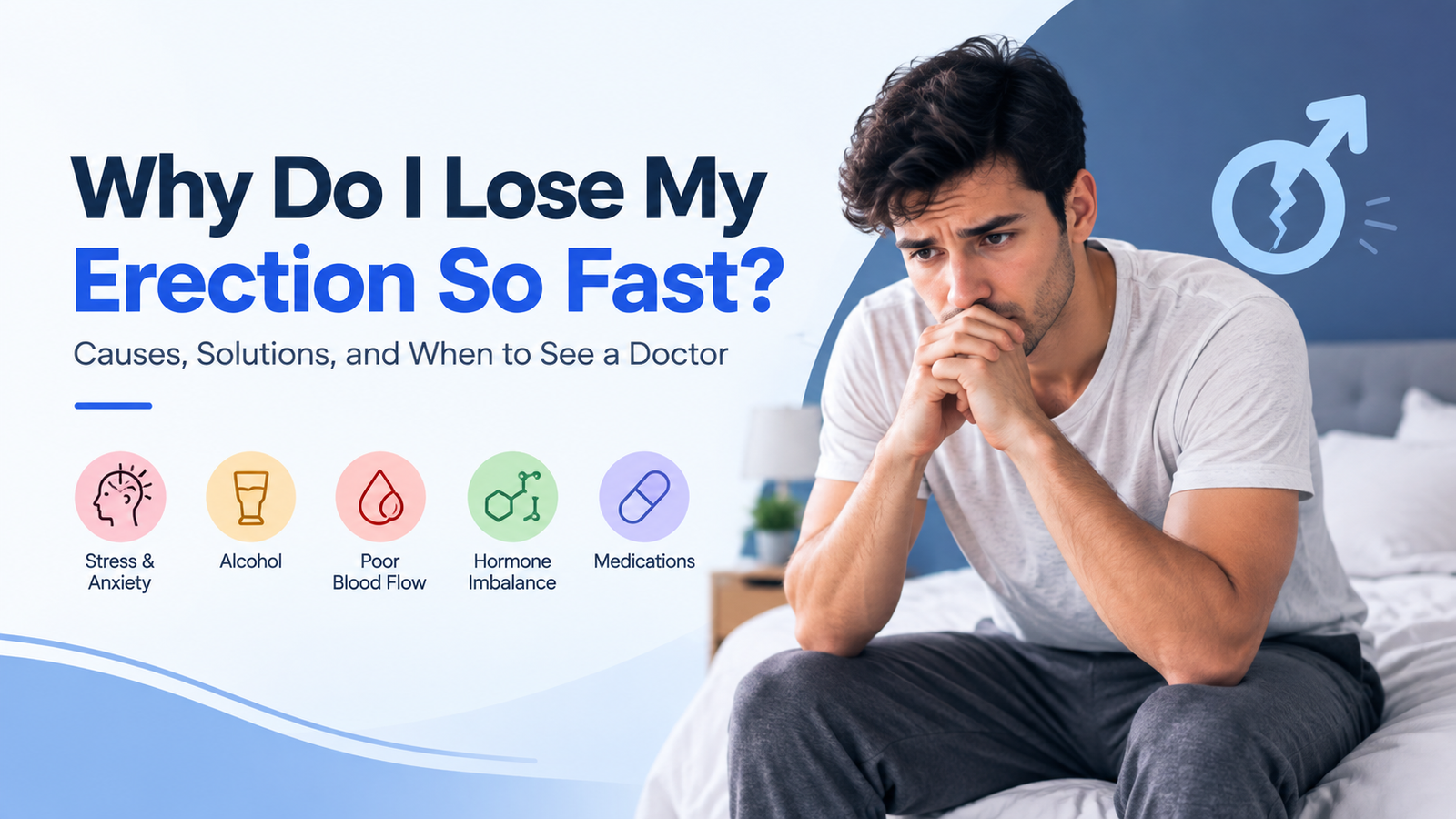
Chronic stress floods the body with cortisol, a hormone that constricts blood vessels and reduces testosterone. Whether the stress comes from work, finances, or relationships, it can directly suppress the body's ability to respond to sexual arousal. Stress and anxiety are among the most underestimated drivers of sexual dysfunction in men under 40.
Performance Anxiety
Performance anxiety is its own cycle: a man worries about his ability to perform, that worry triggers ED, and the experience of ED deepens the anxiety for next time. It becomes self-reinforcing. This is especially common in men who have had one or two difficult experiences and begin to fear repetition.
Depression and Relationship Issues
Depression lowers libido, reduces energy, and disrupts the hormonal environment needed for healthy erections. Relationship conflict, poor communication, and lack of emotional intimacy can also create psychological blocks that show up as ED, even when there is no underlying physical cause.
Lifestyle Habits That Worsen ED
Your daily habits have a measurable impact on erectile health. These are the biggest contributors to worsening ED:
- Smoking - Damages blood vessels and restricts penile blood flow
- Excessive alcohol - Acts as a central nervous system depressant and disrupts hormone levels
- Sedentary lifestyle - Poor cardiovascular fitness reduces circulation throughout the body
- Poor diet - High-fat, high-sugar diets promote obesity and vascular disease
- Drug use - Recreational substances interfere with nerve signaling and hormone production
- Poor sleep - Sleep deprivation lowers testosterone and increases cortisol
Erectile Dysfunction Treatment Options
The good news: erectile dysfunction is highly treatable. Treatment depends on the underlying cause, and in many cases, more than one approach is combined for the best results.
Oral Medications (PDE-5 Inhibitors)
PDE-5 inhibitors are the most commonly prescribed erectile dysfunction treatment and are effective for the majority of men. These medications work by increasing blood flow to the penis in response to sexual stimulation.
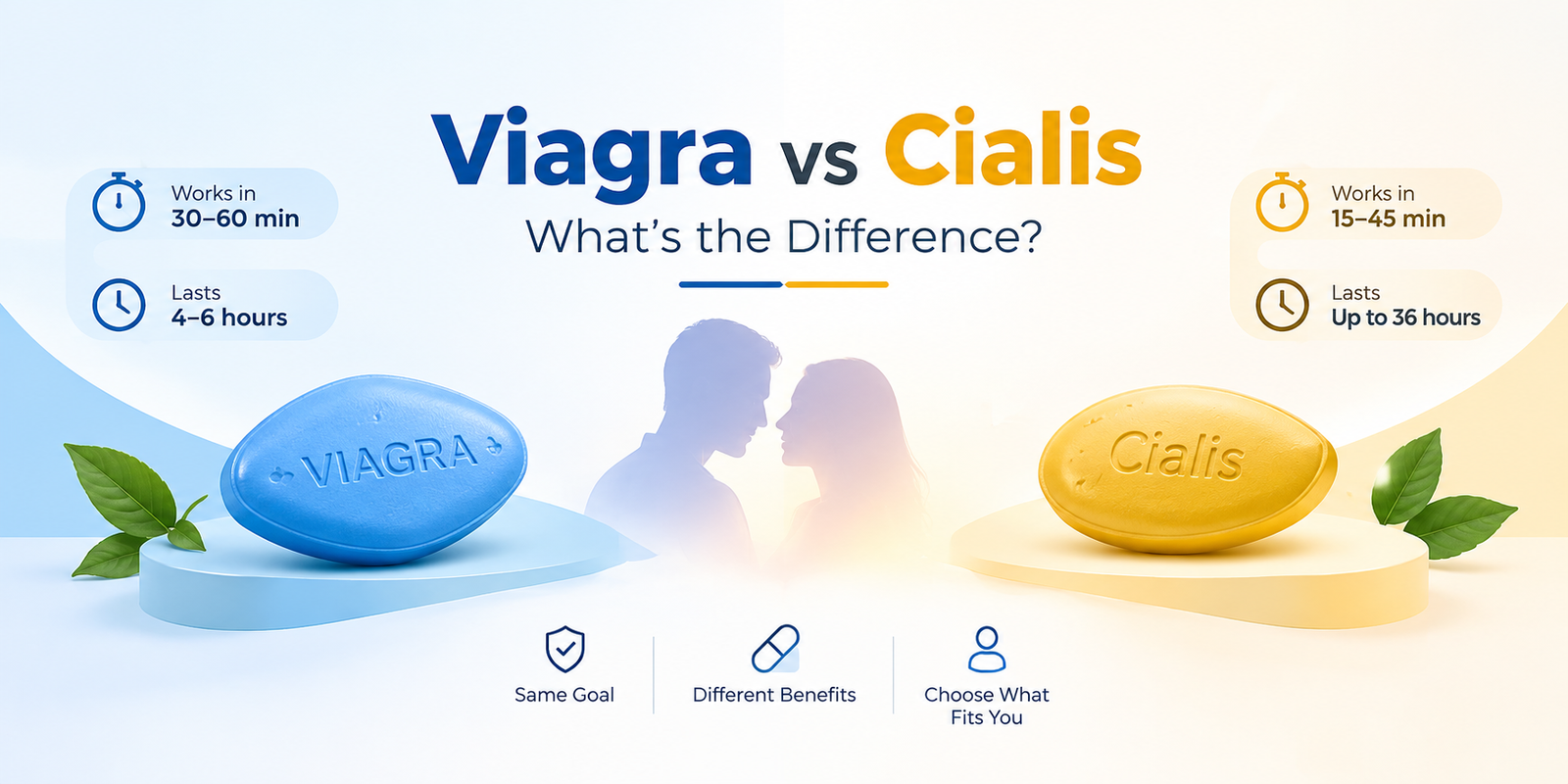
- Sildenafil (Viagra) - Works within 30–60 minutes, lasts 4–6 hours
- Tadalafil (Cialis) - Can be taken daily; effects last up to 36 hours
- Vardenafil (Levitra) - Similar to sildenafil with slightly different timing
- Avanafil (Stendra) - Fast-acting, with fewer side effects for some men
These medications require a prescription and should only be taken under medical guidance, as they can interact with heart medications and other drugs.
Lifestyle Changes for ED
For mild to moderate ED, lifestyle changes alone can produce significant improvement:
- Exercise regularly - Cardiovascular exercise for 45 minutes, at least three times a week, has been shown to reverse mild ED by improving circulation and boosting testosterone.
- Quit smoking - Men who quit smoking often see measurable improvement in erectile function within months.
- Lose excess weight - Even a modest reduction in body weight can improve testosterone levels and vascular health.
- Eat a heart-healthy diet - Foods rich in antioxidants, healthy fats, and lean protein support vascular function.
- Limit alcohol - Reducing intake can directly improve sexual performance.
Therapy and Counseling
When the cause of ED is psychological, professional support is often the most effective intervention. Sex therapy, cognitive behavioral therapy (CBT), and couples counseling can all address performance anxiety, stress, depression, and relationship dynamics that drive sexual dysfunction. A therapist can help break the anxiety cycle that keeps ED in place.
Advanced Medical Treatments
For men who do not respond to oral medications or lifestyle changes, additional options include:
- Penile low-intensity shockwave therapy (LiSWT) - A non-invasive procedure that uses sound waves to stimulate new blood vessel growth and improve blood flow. Results typically appear after several weeks.
- Alprostadil injections or suppositories - A synthetic hormone that directly triggers blood flow into the penis. Produces an erection within 5–15 minutes.
- Vacuum erection devices (VED) - A mechanical pump that draws blood into the penis and holds it with a constriction ring. Non-medicated and effective.
- Testosterone replacement therapy - Prescribed when blood tests confirm clinically low testosterone levels.
- Penile implants (prostheses) - A surgical option for severe, treatment-resistant ED. Highly effective but reserved for cases where other treatments have failed.
When to See a Doctor About ED
See a doctor if:
- ED has persisted for more than two to four weeks
- You notice a sudden or significant change in erection quality
- ED is causing distress in your relationship or affecting your mental health
- You have existing conditions like diabetes, heart disease, or high blood pressure
- You are under 40 and experiencing ED - this warrants investigation into hormonal or vascular causes
- ED is accompanied by other symptoms such as low libido, fatigue, or chest pain
Do not dismiss ED as embarrassing or inevitable. It is a medical condition. Your doctor will assess your overall health, review your medications, run blood tests, and work with you on the best treatment plan. Early intervention leads to better outcomes, and ED discovered early can also lead to the earlier detection of serious conditions like cardiovascular disease.
Important: Avoid buying ED medications online from unverified sources. Counterfeit versions of drugs like sildenafil are widespread and can be dangerous.
Expert Tips to Support Erectile Health
Here are evidence-backed strategies that go beyond the standard advice:
- Track your erections - Men normally experience several erections during sleep. If you notice morning erections are absent or weak, it points more strongly toward a physical cause and warrants medical evaluation.
- Don't skip mental health - A physical cause and a psychological cause can co-exist. Treating one without addressing the other produces limited results.
- Involve your partner - Open, honest communication with your partner reduces performance pressure, builds intimacy, and makes treatment far more effective.
- Be patient with treatment - PDE-5 inhibitors may need to be tried more than once, at the correct dose and timing, before concluding their effectiveness.
- Treat the whole system, not just the symptom - Managing blood pressure, blood sugar, and cholesterol simultaneously creates the best conditions for restoring erectile function.
Conclusion
Erectile dysfunction is a common, treatable medical condition - not a permanent sentence and not something to be ashamed of. Physical causes like cardiovascular disease, diabetes, and low testosterone account for most cases, while psychological factors like stress, anxiety, and depression play a significant role, particularly in younger men.
The path forward is clear:
- Understand your underlying cause
- Make meaningful lifestyle changes
- Explore treatment options with a qualified doctor
- Seek help early rather than waiting
If you've been experiencing symptoms, the single most valuable thing you can do today is book an appointment with your doctor. The longer ED goes unaddressed, the more it can affect your confidence, your relationships, and potentially your broader health.