
}})
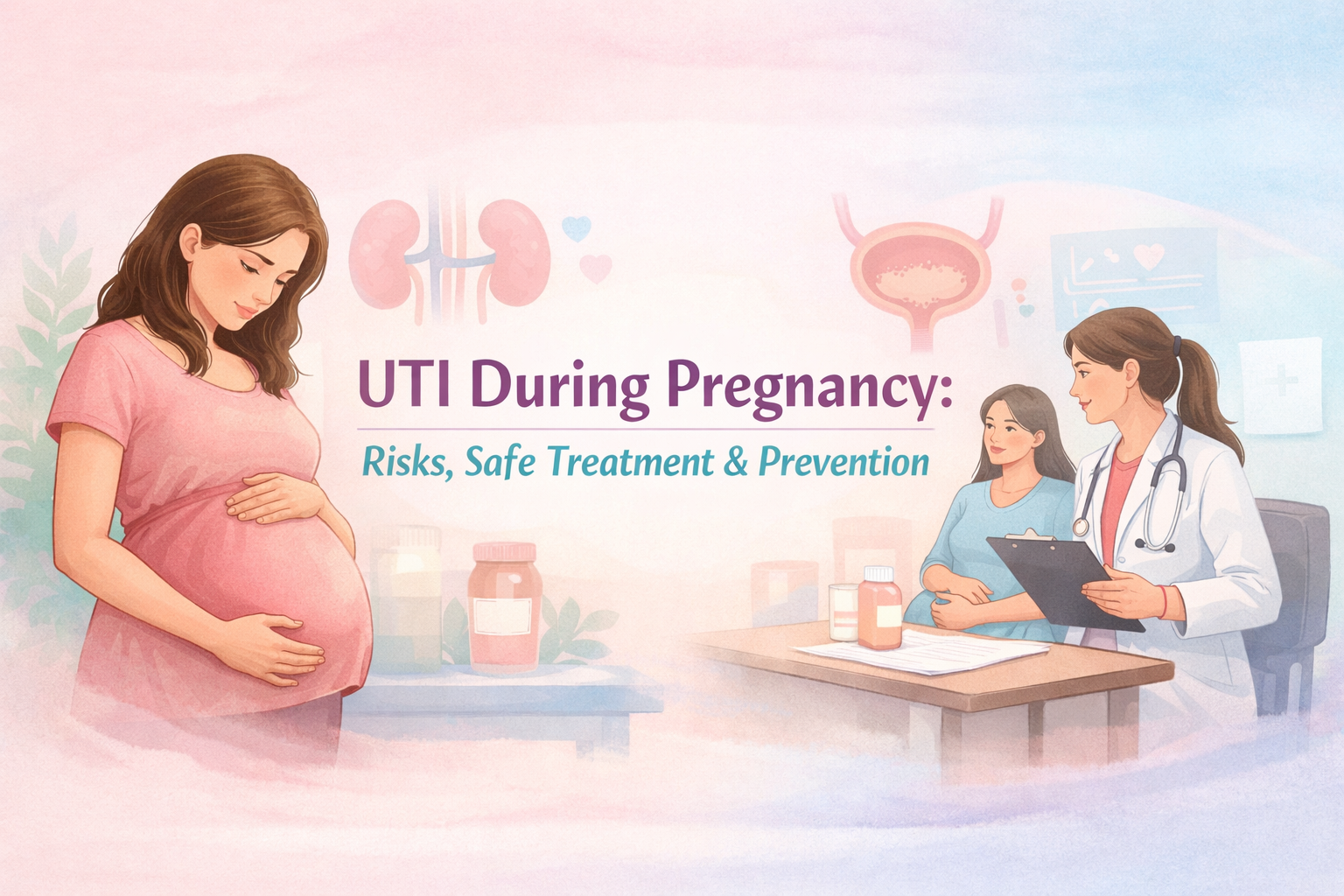
Pregnancy brings a lot of changes to your body, and one uncomfortable reality that many women don't expect is how easy it becomes to develop a urinary tract infection. UTIs are the most common bacterial infection during pregnancy, affecting up to 1 in 10 pregnant women. The tricky part is that many infections show no symptoms at all, yet they can still cause serious complications for both mother and baby if left untreated.
Whether you are in your first trimester or heading toward your third, understanding what a UTI is, what it feels like, how it is treated safely, and how you can prevent it through do-it-yourself daily habits is one of the most practical things you can do to protect your health and your baby's.
This guide covers everything you need to know, from early warning signs to safe antibiotic options and simple prevention routines you can start today.
What Is a UTI During Pregnancy?

A urinary tract infection is a bacterial infection that affects any part of your urinary system, including the urethra, bladder, ureters, and kidneys. During pregnancy, the most common types include:
- Asymptomatic bacteriuria (ASB): Bacteria in the urine with zero symptoms. Highly common and routinely screened at the first prenatal visit.
- Cystitis: A bladder infection with noticeable symptoms like burning and frequent urination.
- Pyelonephritis: A kidney infection that is far more serious and often requires hospitalisation.
The reason UTIs deserve special attention in pregnancy is that an untreated lower UTI can quickly progress to a kidney infection, which carries significant risks for both the mother and baby.
Why Are Pregnant Women More Prone to UTIs?
Your body goes through remarkable changes during pregnancy, and several of those changes make it significantly easier for bacteria to enter and thrive in your urinary tract.
Hormonal Changes
Rising progesterone levels relax the smooth muscles throughout your urinary tract. This slows urine flow, reduces urethral tone, and allows bacteria to travel upward more easily from the urethra to the bladder and kidneys. Hormonal shifts also alter vaginal flora, which can increase the presence of infection-causing bacteria in the surrounding area.
Physical Pressure from the Growing Uterus
As your baby grows, the uterus presses directly on the bladder and ureters. This pressure blocks normal urine flow, causes incomplete bladder emptying, and creates conditions where bacteria can multiply rapidly. This physical compression is most significant between weeks 6 and 24 of pregnancy.
Weakened Immune System
Pregnancy naturally suppresses certain immune responses to protect the growing baby. This means your body is less effective at fighting off bacterial infections, including those in the urinary tract. The result is that bacteria that might have been easily cleared before pregnancy can now take hold and cause a full infection.
Common Symptoms of UTI During Pregnancy

One of the challenges with UTIs during pregnancy is that some symptoms overlap with normal pregnancy experiences, like needing to urinate more often. Knowing which symptoms point to an actual infection is important.
Symptoms of a Bladder Infection (Cystitis)
- Burning or stinging pain when urinating
- A strong, persistent urge to urinate, even when little comes out
- Feeling that your bladder is still full after urinating
- Urine that looks cloudy, dark, or smells unusually strong
- Blood in the urine
- Pain or pressure in the lower abdomen
- Leaking urine before reaching the toilet
Symptoms That Signal a Kidney Infection (Pyelonephritis)
If the infection has moved to the kidneys, symptoms become more serious and require immediate medical attention:
- Fever above 38°C (100.4°F)
- Chills and shaking
- Pain in the side, back, or just below the ribcage
- Nausea and vomiting
- Feeling generally unwell or confused
A kidney infection during pregnancy is a medical emergency. Do not wait it out at home.
What Causes UTIs During Pregnancy?
The main culprit behind UTIs in pregnancy is Escherichia coli (E. coli), a bacterium found in the digestive tract that accounts for 80 to 90 per cent of all UTIs during pregnancy. It commonly spreads to the urethra through improper wiping technique (back to front), sexual activity, or proximity between the anal and urethral openings.
Other bacteria that can cause UTIs include the following:
- Klebsiella pneumoniae
- Proteus mirabilis
- Group B Streptococcus (GBS), which is especially important in the third trimester
- Staphylococcus saprophyticus
Additional risk factors during pregnancy include gestational diabetes (excess sugar in urine feeds bacteria), a history of recurrent UTIs, low socioeconomic status, obesity, smoking, and being a carrier of sickle cell trait.
How Is a UTI Diagnosed During Pregnancy?
Your doctor or midwife will screen for UTIs at your very first prenatal visit, even if you have no symptoms. This is because asymptomatic bacteriuria, left untreated, has a 25 per cent chance of progressing into a full symptomatic infection.
Diagnosis involves two urine tests:
- Urinalysis: Checks for white blood cells, red blood cells, and bacteria in the urine.
- Urine culture: Identifies the exact type of bacteria so your doctor can choose the most effective antibiotic.
Importantly, urine dipstick tests alone are not very reliable during pregnancy due to a high rate of false positives. A proper culture is the gold standard for accurate diagnosis.
Safe Treatment Options for UTI During Pregnancy

Antibiotic Treatment
UTIs in pregnancy must be treated with antibiotics, and the good news is that several antibiotic options are safe for pregnant women. Your doctor will prescribe based on the specific bacteria identified and your trimester.
Commonly used safe antibiotics include:
- Nitrofurantoin (generally avoided in the first trimester and near delivery)
- Cephalexin (a cephalosporin, widely used across all trimesters)
- Fosfomycin (a single-dose option, effective for bladder infections)
- Trimethoprim-sulfamethoxazole (avoided in the first and late third trimester)
A typical course of treatment lasts 5 to 7 days for bladder infections. Symptoms usually begin to improve within 2 to 3 days. Kidney infections typically require hospitalization with intravenous antibiotics for at least 48 hours before transitioning to oral treatment, for a total course of 7 to 14 days.
Amoxicillin and ampicillin are generally avoided because E. coli has developed high resistance to them. Fluoroquinolones are also not recommended during pregnancy due to safety concerns.
Always complete the full antibiotic course even if you feel better early. Your doctor may request a follow-up urine culture 1 to 2 weeks after treatment to confirm the infection is fully cleared.
What About Home Remedies?
While do-it-yourself home strategies can support your comfort and reduce risk, they cannot cure an active UTI during pregnancy on their own. Never attempt to replace medical treatment with home remedies when pregnant.
That said, these supportive measures can help alongside treatment:
- Drink plenty of water to flush bacteria out of the urinary tract
- Unsweetened cranberry juice may offer mild preventive benefits for some women
- Use acetaminophen (Tylenol) for pain relief only after confirming it is safe with your provider
- Rest and empty your bladder frequently
If you suspect a UTI, call your provider the same day. Do not wait.
Risks of Untreated UTI During Pregnancy
Risks to the Mother
An untreated UTI can escalate quickly. Potential complications include:
- Pyelonephritis (kidney infection), which is the leading cause of pregnancy-related hospitalizations
- Sepsis, a life-threatening bloodstream infection (occurs in approximately 13 percent of pyelonephritis cases)
- Acute respiratory distress syndrome (ARDS) in severe cases
- Anaemia caused by bacterial toxins
- Pre-eclampsia, a serious pregnancy complication linked to bacterial presence in the urine
Risks to the Baby
Left untreated, UTIs and kidney infections can directly impact the baby:
- Preterm labour and early delivery (occurs in approximately 11 percent of severe UTI cases)
- Low birth weight (below 2,800 grams)
- Preterm premature rupture of membranes (PPROM)
The critical point is this: with timely treatment, these risks largely disappear. A UTI does not directly cause miscarriage, but complications from one left untreated can.
How to Prevent UTIs During Pregnancy

Prevention through consistent do-it-yourself daily habits is one of the most effective tools available to pregnant women. These practices are simple, cost nothing, and can significantly reduce your risk.
Hygiene habits:
- Always wipe from front to back after using the toilet
- Urinate immediately after sexual intercourse to flush out bacteria
- Keep the genital area clean and dry
- Shower instead of soaking in baths for extended periods
- Avoid douches, scented soaps, and feminine sprays that disrupt natural flora
- Wear cotton or cotton-lined underwear and avoid overly tight clothing
Hydration and bladder habits:
- Drink 6 to 8 glasses of water per day
- Do not hold your urine; empty your bladder as soon as you feel the urge
- Fully empty your bladder each time to avoid residual urine, where bacteria can grow
- Consider unsweetened cranberry juice as a supportive daily drink
Nutritional support (discuss with your provider):
- Vitamin C (250 to 500 mg daily) may help acidify urine and discourage bacterial growth
- Beta-carotene and zinc may also play a supporting role in immune function during pregnancy
Prenatal care:
- Attend all antenatal appointments, as routine urine screenings catch silent infections early
- Report any symptoms promptly rather than waiting for the next scheduled visit
When to Call Your Doctor Immediately
Do not wait for your next appointment if you experience any of the following:
- Burning or painful urination
- Blood in the urine
- Fever above 38°C (100.4°F)
- Chills, back pain, or side pain
- Nausea and vomiting alongside urinary symptoms
- Contractions that seem unusual or early
These symptoms, especially in combination, may indicate the infection has reached the kidneys and requires urgent care.
Conclusion
UTIs are an incredibly common part of pregnancy, but they are also one of the most manageable. The key is awareness, prompt action, and consistent prevention habits. Here are the most important takeaways from this guide:
- UTIs affect up to 10 per cent of pregnant women, and many have no symptoms at all.
- Pregnancy itself, through hormonal changes, physical pressure, and immune suppression, makes UTIs easier to develop.
- Routine urine screening at prenatal visits is essential for catching silent infections.
- Antibiotics prescribed by your doctor are the only reliable cure; do-it-yourself remedies support prevention but not treatment.
- Untreated UTIs can lead to kidney infection, preterm birth, and other serious complications.
- Simple daily habits like drinking plenty of water, urinating after sex, and wiping correctly can dramatically reduce your risk.
When in doubt, call your provider. A UTI caught early is easily treated.