
}})
You feel tired. Maybe a little foggy. Your lower back aches. You have been running to the bathroom more than usual. But there is no burning when you pee - so it cannot be a UTI, right?
Wrong.
Silent UTIs are real, they are common, and they are quietly causing serious health problems in people who have no idea they have one. This do it yourself guide will walk you through everything you need to know about silent UTI symptoms, who is at risk, how to manage early signs at home, and - most importantly - when to stop doing it yourself and call a doctor.
What Is a Silent UTI?

A silent UTI is a urinary tract infection that does not show the classic, easy-to-recognize symptoms most people associate with a UTI - like a burning sensation during urination or the urgent, frequent need to go. Medically, when bacteria are present in the urine without any symptoms at all, it is called asymptomatic bacteriuria.
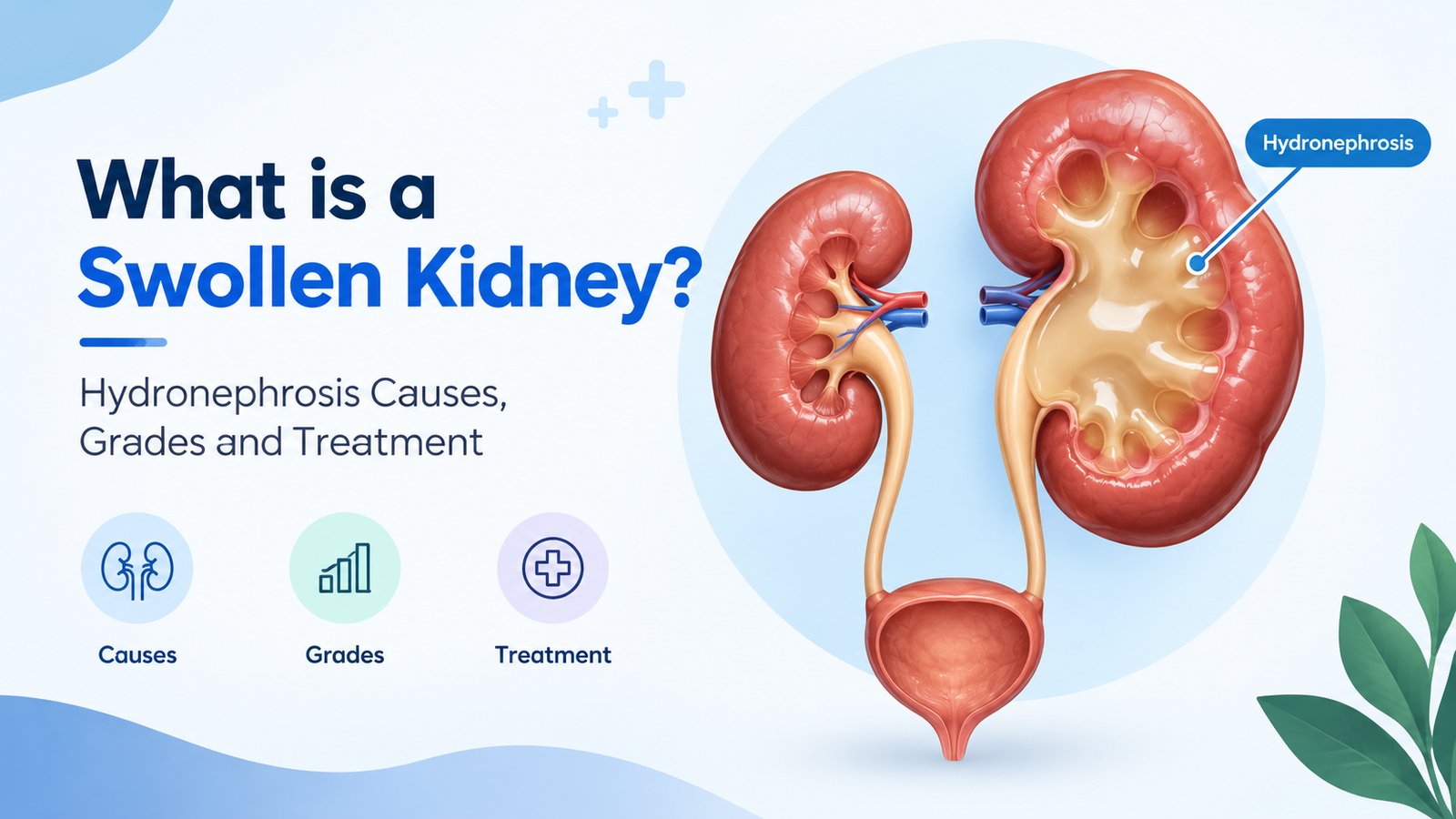
The urinary tract includes your kidneys, ureters, bladder, and urethra. When bacteria - most often E. coli - enter through the urethra and travel upward, an infection can develop. In a silent UTI, your body may not send out the obvious distress signals, but the bacteria are still there, and still doing damage.
Silent UTIs can happen to anyone. However, they are significantly more common in women, largely because the female urethra is shorter, which means bacteria have less distance to travel to reach the bladder.
Why Silent UTIs Are Dangerous
The word "silent" may sound harmless. It is not.
When a UTI goes unrecognized and untreated, it can travel upward from the bladder to the kidneys. A kidney infection - called pyelonephritis - is serious, painful, and sometimes requires hospitalization. In the most severe cases, an untreated infection can enter the bloodstream and cause sepsis, which is life-threatening.
This is why knowing the non-obvious symptoms matters so much. The infection is never truly silent. It just speaks a different language than you might expect.
Silent UTI Symptoms: What to Look For Without Burning or Pain

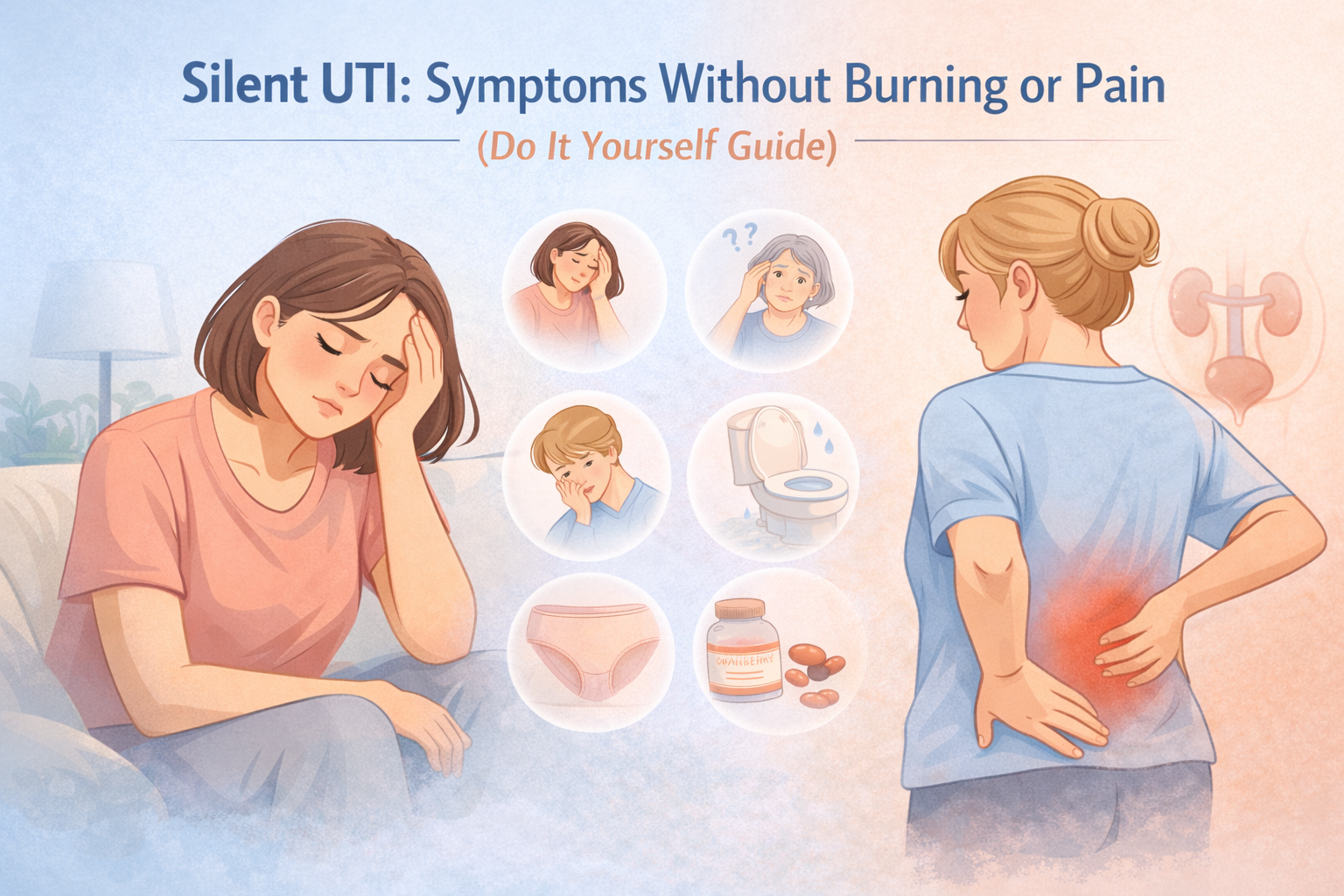
If you are trying to identify a silent UTI on your own, these are the symptoms that show up when the classic burning and urgency are absent.
Fatigue and feeling "off"
Feeling unexpectedly tired or mentally foggy without a clear reason is one of the earliest and most overlooked signs. Your body is working to fight an infection even if you cannot feel it directly. If you feel drained and nothing explains it, consider this a red flag.
Sudden confusion or disorientation
This is especially important for older women and seniors. A sudden change in mental clarity - confusion, difficulty focusing, or unusual disorientation - can be the only visible sign of a UTI in elderly patients. Family members often mistake it for a sign of aging, but it is frequently a urinary infection that needs treatment.
Low-grade fever or chills
A mild fever is your immune system announcing that something is wrong. If you notice chills alongside a low-grade temperature, your body is fighting bacterial infection. A high fever - above 101°F - combined with chills can signal the infection has moved toward the kidneys and requires urgent medical attention.
Lower back or side pain
Pain or pressure in your lower back, especially on one side, can indicate that bacteria have climbed from the bladder up to the kidneys. This is no longer a mild, manageable situation. Kidney involvement escalates the urgency considerably.
Nausea or vomiting
Stomach-related discomfort like nausea is not a typical UTI symptom, which is exactly why people miss it. When an infection spreads beyond the bladder, it can trigger nausea and even vomiting - which is what happened to the writer in the Thinx article who ended up in the emergency room with what turned out to be a severe, untreated UTI.
Increased urgency without burning
You might feel the urge to urinate more frequently than usual, or feel like you cannot fully empty your bladder - but without any burning. Cloudy urine, a strong or unusual smell, or any trace of blood in the urine alongside these urges are signals worth taking seriously.
High blood sugar or poorly controlled diabetes
Diabetes creates the ideal environment for urinary tract bacteria to thrive. Studies show that people with diabetes are significantly more likely to develop UTIs, including silent ones. If you have diabetes and notice any combination of the above symptoms, get tested sooner rather than later.
Who Is Most at Risk for Silent UTIs?
Understanding risk factors is a key part of any do it yourself approach to urinary health. You are at higher risk if you:
- Are a woman (shorter urethra = easier bacterial access)
- Are over age 65
- Are pregnant
- Have diabetes
- Have a history of frequent UTIs
- Use a urinary catheter long-term
- Have a spinal cord injury
- Have a weakened immune system
- Have recently had a kidney transplant
- Live in a long-term care facility
Postmenopausal women face additional risk. As estrogen levels decline with age, vaginal tissue becomes thinner, which disrupts the natural bacterial balance and makes the urinary tract more vulnerable to infection.
Do It Yourself: What You Can Actually Do at Home
This section is about practical self-care steps - not self-diagnosis as a substitute for medical care. Think of this as your do it yourself prevention and early-response toolkit.
Stay well hydrated
Water is your first and most powerful tool. Drinking plenty of fluids helps flush bacteria out of the urinary tract before an infection can establish itself. Aim for clear or light-yellow urine as a daily hydration benchmark.
Urinate frequently - do not hold it
Bacteria thrive in stagnant urine. Urinating regularly keeps bacteria moving out of the system. Never delay going to the bathroom when you feel the urge.
Pee after sex
Sexual activity is one of the most common ways bacteria enter the urethra. Urinating within 30 minutes after intercourse helps flush out any bacteria before they travel upward.
Wipe front to back
This is fundamental hygiene that significantly reduces the transfer of bacteria from the digestive tract to the urinary tract. It applies every single time.
Try cranberry supplements or D-Mannose
Cranberry products contain compounds that may prevent bacteria - particularly E. coli - from sticking to the walls of the bladder and urinary tract. D-Mannose is a naturally occurring sugar that works similarly, interfering with bacterial adhesion. Both are available as supplements. These are preventive aids, not cures. They will not eliminate an active infection.
Avoid irritants
Douches, scented soaps, sprays, and powders in the genital area disrupt the natural bacterial environment and can increase UTI risk. Stick to plain, mild cleansing.
Wear breathable underwear
Synthetic fabrics trap moisture and create warm conditions that favor bacterial growth. Cotton or organic-fiber underwear allows air circulation and reduces that risk.
Change period products regularly
Leaving tampons or pads in place for extended periods creates a moist, warm environment that encourages bacterial growth. Changing them regularly is a straightforward, do it yourself protective habit.
Consider a vaginal moisturizer if postmenopausal
Declining estrogen causes vaginal tissue to thin, which raises infection risk. A vaginal moisturizer or estrogen cream - used after consulting a doctor - can help restore tissue resilience and reduce susceptibility to UTIs.
When to Stop DIY and See a Doctor
There is a clear line between self-care and self-endangerment. Cross it and you are no longer doing yourself any favors.
See a doctor immediately if you experience:
- A fever above 101°F with chills
- Back or side pain (potential kidney infection)
- Nausea or vomiting alongside urinary symptoms
- Symptoms that are worsening over 24 to 48 hours
- Any symptoms if you are pregnant
- Confusion or sudden disorientation in an older person
A simple urine test is all it takes to confirm a UTI. Your doctor may also use a urine culture to identify the specific bacteria and choose the most effective antibiotic. In some cases, ultrasound imaging may be used if a kidney infection is suspected.
Do not delay testing out of uncertainty. Doctors - particularly those specializing in urogynecology - maintain a low threshold for testing UTIs. Any symptoms, no matter how vague, are worth checking out.
UTI Treatment: What to Expect
Antibiotics are the standard treatment for confirmed UTIs, including silent ones. Common options include nitrofurantoin, trimethoprim-sulfamethoxazole, amoxicillin, and cephalosporin. Treatment typically lasts five to seven days.
A critical point: always complete the full antibiotic course, even if you start feeling better after two or three days. Stopping early can leave bacteria behind, allow the infection to return, and contribute to antibiotic resistance.
For most healthy, non-pregnant adults with asymptomatic bacteriuria - bacteria in the urine but zero symptoms - doctors often choose not to treat at all. The risks of antibiotic overuse, including the development of antibiotic-resistant bacteria and secondary infections like C. diff, can outweigh the benefit when there are no symptoms and no complications expected.
Treatment is strongly recommended, however, for:
- Pregnant women (untreated bacteriuria raises the risk of preterm birth and low birth weight)
- People who have received a kidney transplant
- People undergoing certain urological procedures
Preventing Silent UTIs Long-Term

Prevention is always the more comfortable route. Build these habits into your routine:
- Drink water consistently throughout the day
- Never ignore the urge to urinate
- Urinate after sex every time
- Wipe front to back every time
- Wear breathable, natural-fiber underwear
- Change menstrual products regularly
- Avoid scented genital hygiene products
- Discuss vaginal health and estrogen support with your doctor if postmenopausal
- Monitor blood sugar carefully if you have diabetes
- Talk to your doctor about cranberry or D-Mannose supplements as a preventive measure
Conclusion
Silent UTIs are not rare, and they are not harmless. They are infections that speak in a quieter language - fatigue, confusion, a dull backache, mild nausea - and they are easy to miss precisely because they do not arrive with the expected burning and urgency.
The do it yourself approach to urinary health is about awareness, prevention, and acting early. Know your risk factors. Recognize the unusual symptoms. Use hydration, hygiene habits, and sensible supplements as your daily toolkit. And trust your instincts - if something feels off, get tested. A urine test takes minutes and could save you from a kidney infection, a hospital visit, or worse.
Your health is always worth the appointment.