
}})
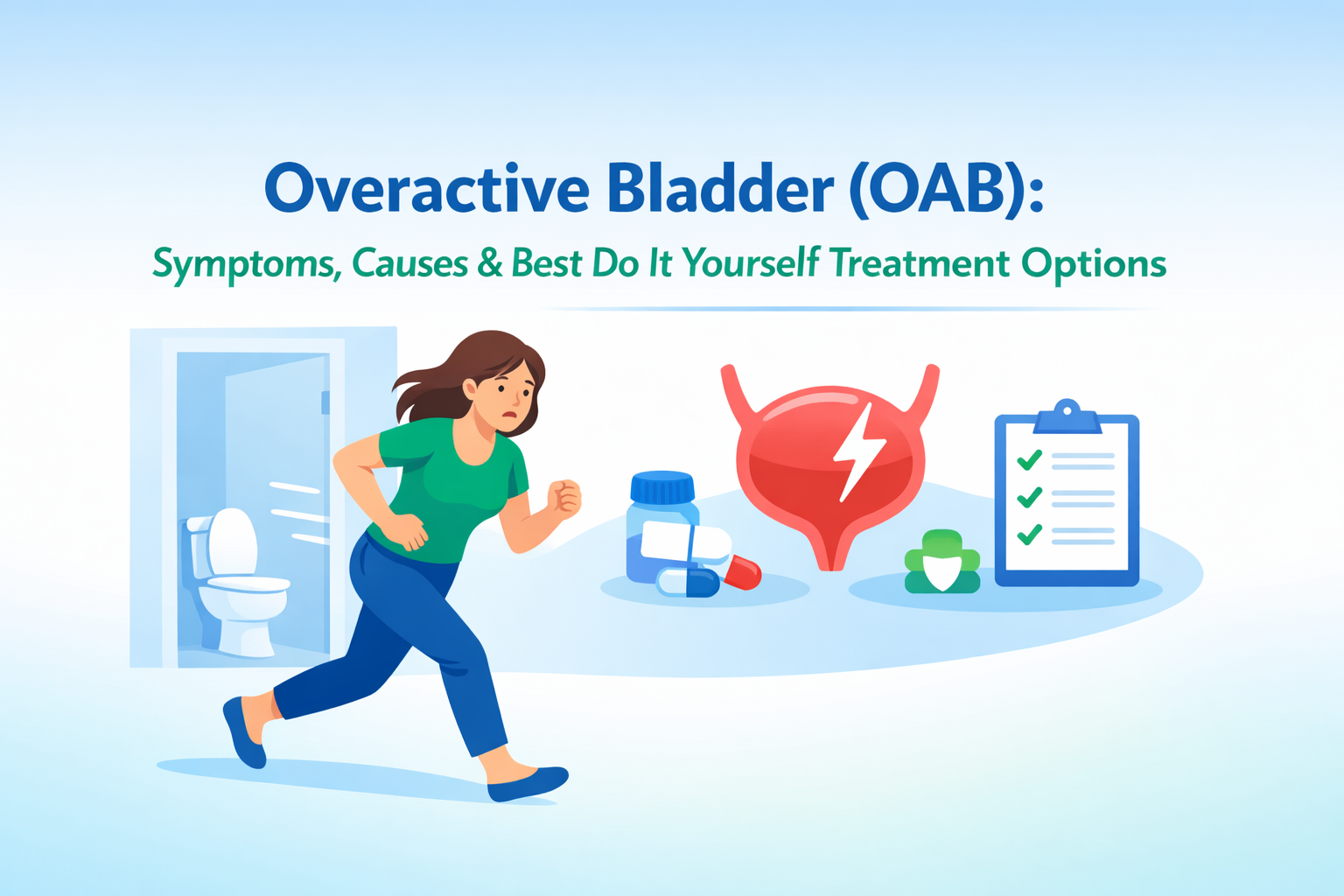
You're sitting in a meeting and suddenly feel an overwhelming urge to urinate - right now. You've already been to the bathroom twice in the last two hours. This isn't just inconvenient; it's disrupting your work, your sleep, and your confidence.
This experience has a name: overactive bladder, or OAB. And despite being one of the most common urological conditions in adults, it's also one of the least talked about - because people feel embarrassed to bring it up.
Here's what most people don't realize: OAB is not a normal part of aging, and it does not have to rule your life. In this guide, you'll learn exactly what causes an overactive bladder, how to recognize its symptoms, and the most effective do it yourself strategies to regain control of your bladder - alongside medical treatment options when home management isn't enough.
What Is Overactive Bladder (OAB)?

Overactive bladder is not a single disease - it's a collection of symptoms linked to a problem with how the bladder stores urine. The key issue is involuntary contractions of the detrusor muscle, which is the smooth muscle layer in the bladder wall. When this muscle contracts on its own - even when the bladder isn't full - it creates a sudden, urgent need to urinate that can be very difficult to control.
OAB vs. Normal Bladder Function
In a healthy bladder, the detrusor muscle stays relaxed while the bladder fills with urine. As the bladder reaches its comfortable capacity, nerve signals travel to the brain, creating a manageable urge to urinate. The person chooses when to go, empties fully, and returns to normal activity.
In OAB, this process misfires. The muscle contracts prematurely and involuntarily - sending an emergency alarm to the brain even when the bladder is only partially full. The result: sudden urgency, frequent trips to the bathroom, and sometimes leakage before reaching the toilet.
How Common Is OAB?
OAB affects up to 33 million adults in the United States alone - up to 30% of men and 40% of women experience symptoms. Women often develop OAB symptoms around age 45, while the condition becomes increasingly common in both sexes after age 65. Many more people live with OAB without seeking help, largely because of embarrassment or the mistaken belief that it's just part of getting older.
Symptoms of Overactive Bladder - What to Look For

OAB is defined by a specific set of symptoms that distinguish it from general urinary problems. Recognizing the pattern is the first step toward doing something about it.
The core symptoms of OAB include:
- Urinary urgency: A sudden, intense need to urinate that is difficult or impossible to delay - even when you just went an hour ago
- Frequent urination: Needing to urinate eight or more times in a 24-hour period
- Urge incontinence: Leaking urine before reaching the toilet when the urgency hits
- Nocturia: Waking up more than twice per night to urinate, which disrupts sleep and causes daytime fatigue
Beyond these core four, some people also experience a weak urine stream, the sensation of incomplete emptying even after urinating, and intermittent flow that stops and starts without warning.
OAB is also known as bladder hyperactivity and can significantly affect quality of life - causing anxiety, social withdrawal, sexual difficulties, and sleep disruption. Studies show that up to 45% of people with OAB report limitations in daily activities, work performance, and social engagement. These are real consequences that deserve real solutions.
What Causes an Overactive Bladder?

OAB rarely has a single cause. Most cases involve a combination of physical, lifestyle, hormonal, and neurological factors.
Physical and Lifestyle Causes
These are among the most common contributors to OAB - and often the most responsive to do it your own lifestyle adjustments:
- Caffeine and alcohol: Both act as diuretics, increasing urine production and irritating the bladder lining, which amplifies urgency signals
- Acidic or spicy foods: Foods and beverages that are acidic - including citrus fruits, tomatoes, chocolate, and carbonated drinks - can directly irritate the bladder wall
- Artificial sweeteners: Found in diet sodas, some chewing gums, and processed foods - these can trigger bladder irritation in sensitive individuals
- Excess body weight: Extra abdominal weight places constant pressure on the bladder, reducing its effective storage capacity and triggering urgency
- Tobacco use: Nicotine irritates the bladder muscle, and the chronic coughing associated with smoking puts repeated physical pressure on the bladder
- Not fully emptying the bladder: Leaving residual urine in the bladder after urinating reduces available storage space, making urgency occur sooner
Medical Conditions That Trigger OAB
Several underlying health conditions directly affect bladder function:
- Urinary tract infections (UTIs): Irritate bladder nerves and cause urgency symptoms that mimic OAB - UTIs must be ruled out before treating OAB
- Bladder stones or tumors: Physical abnormalities inside the bladder that trigger irritation and urgency
- Enlarged prostate: In men, prostate enlargement obstructs urine flow and forces the bladder to work harder, which can lead to OAB symptoms
- Diabetes: Elevated blood sugar affects nerve function and can disrupt the signals between the bladder and brain
- Constipation: A full bowel places direct pressure on the bladder, reducing its storage capacity
Hormonal and Neurological Causes
- Menopause: Declining estrogen levels cause the vaginal and urethral tissues to thin, weakening pelvic floor support and contributing to bladder urgency and incontinence
- Neurological conditions: Parkinson's disease, multiple sclerosis, stroke, herniated discs, and spinal injuries can all disrupt the nerve pathways that regulate when the bladder signals the brain to urinate - causing it to send signals at the wrong times
- Cognitive decline with aging: As brain function slows, the bladder's ability to correctly interpret and respond to nerve signals also slows, making urgency harder to control
How Is OAB Diagnosed?
A healthcare provider will typically begin with a thorough review of your symptoms, medical history, and current medications. They may ask you to keep a bladder diary - recording your fluid intake, how often you urinate, the volume passed, and any leakage episodes - for several days before your appointment.
Diagnostic tests may include:
- Urinalysis: To rule out infection, blood in urine, or other abnormalities
- Post-void residual measurement: An ultrasound test to measure how much urine remains in the bladder after urinating
- Urodynamic testing: A series of tests measuring bladder pressure, flow rate, and storage capacity
- Cystoscopy: A camera inserted through the urethra to visually examine the bladder interior for structural problems
Starting a bladder diary before your appointment is one of the most useful do it yourself preparation steps - it gives your provider clear data rather than guesswork.
Do It Yourself Strategies to Manage Overactive Bladder at Home

Before or alongside medical treatment, behavioral and lifestyle changes are the first-line approach for OAB - and they are highly effective for many people. These strategies require consistency, but they carry no side effects and often produce meaningful improvement within six to eight weeks.
Bladder Retraining
Bladder retraining is arguably the most powerful do it yourself strategy for OAB. The goal is to gradually extend the time between bathroom visits, teaching your bladder to hold more urine and reducing the sense of urgency.
Here's how to approach it:
- Start by tracking your current voiding interval - for example, if you currently urinate every 45 minutes, that's your baseline
- Each week, try to increase the interval by 10 to 15 minutes. So 45 minutes becomes 60 minutes, then 75, working toward a goal of two to four hours between bathroom trips
- When an urgent urge strikes between scheduled times, use urge suppression techniques: stop moving, squeeze your pelvic floor muscles in quick successive contractions (Kegel squeezes), breathe deeply and slowly, and wait for the urge to subside
- Once the urge passes, walk - don't run - to the bathroom at a normal pace
This process takes time. Expect real progress around week six to eight. The key is staying consistent and not giving in to urgency-driven panic.
Dietary Changes
What you eat and drink directly affects your bladder. Removing common irritants from your diet is one of the simplest do it your own improvements you can make:
- Cut back or eliminate caffeine - including coffee, tea, energy drinks, and many sodas
- Avoid alcohol, which acts as a bladder stimulant
- Reduce intake of acidic foods: citrus fruits, tomatoes, vinegar-based foods
- Avoid chocolate, spicy foods, and artificial sweeteners
- Drink the right amount of water - not too little (which concentrates urine and irritates the bladder) and not too much (which overfills it). Aim for pale yellow urine as a guide
Also consider timing: avoid drinking large amounts of fluid in the two to three hours before bedtime to reduce nocturia.
Pelvic Floor Exercises (Kegels)
The pelvic floor muscles support the bladder and play a direct role in bladder control. When these muscles are weak or uncoordinated, urgency and leakage increase significantly. Kegel exercises strengthen these muscles and improve your ability to suppress urgent urges.
How to do a Kegel correctly:
- Identify the right muscles by imagining you're stopping the flow of urine mid-stream
- Contract those muscles for 3 to 5 seconds, then relax fully for 5 seconds
- Repeat 10 to 15 times per session, three sessions per day
- Don't hold your breath or tighten your stomach, thighs, or buttocks during the exercise
Consistency matters more than intensity. Daily practice over several weeks builds real muscle endurance and control that translates directly into fewer urgency episodes.
Weight Management and Lifestyle Shifts
- Maintain a healthy weight: Losing even 5 to 10% of body weight can meaningfully reduce bladder pressure and urgency episodes in people with excess weight
- Exercise regularly: Physical activity supports pelvic floor health, reduces systemic inflammation, and helps maintain healthy bowel habits - all of which benefit bladder control
- Maintain bowel regularity: Constipation directly compresses the bladder. Increase dietary fiber through oats, beans, whole grains, and fresh vegetables, and drink adequate water throughout the day
- Quit smoking: Beyond irritating the bladder, smoking-related coughing creates repeated spikes of abdominal pressure that worsen leakage and urgency
Medical Treatment Options for OAB
When do it yourself behavioral strategies alone aren't producing sufficient improvement, medical treatment offers effective additional options:
Medications Two classes of prescription medication are commonly used:
- Anticholinergics (such as oxybutynin, tolterodine, solifenacin, fesoterodine, darifenacin, and trospium): These relax the detrusor muscle and reduce involuntary contractions, decreasing urgency and leakage. They may take up to a month to reach full effect
- Beta-3 adrenergic agonists (mirabegron and vibegron): These cause the bladder muscle to relax so it can store more urine before signaling urgency - a newer class with fewer anticholinergic side effects
Nerve Stimulation (Neuromodulation) For people who don't respond adequately to medications:
- Sacral nerve stimulation: A small device is implanted under the skin near the buttock and sends mild electrical impulses to the sacral nerve, which regulates bladder control. It's an outpatient procedure and highly effective
- Percutaneous tibial nerve stimulation (PTNS): A non-invasive option using electrical impulses delivered through a needle near the ankle. Typically requires 12 weekly sessions followed by monthly maintenance
Botulinum Toxin (Botox) Injections Botox is injected directly into the bladder wall through a cystoscope. It temporarily paralyzes the overactive detrusor muscle, reducing urgency and incontinence. Effects typically last six months before repeat injection is needed. This is highly effective even for patients who haven't responded to other therapies.
Prevention - Reducing Your Risk
Several lifestyle habits significantly reduce the risk of developing OAB or slow its progression:
- Perform Kegel exercises regularly, even before symptoms appear
- Maintain a healthy weight throughout life
- Limit caffeine and alcohol consistently
- Manage chronic conditions like diabetes and constipation proactively
- Exercise regularly to support pelvic floor and general bladder health
- Avoid smoking
When to See a Doctor
OAB is a treatable condition - but it won't improve on its own. See a healthcare provider if:
- You urinate eight or more times per day and it's disrupting normal activities
- You wake up more than twice a night to urinate
- You experience leakage before reaching the bathroom
- Symptoms come on suddenly or are accompanied by blood in the urine
- Six to eight weeks of consistent behavioral changes haven't produced noticeable improvement
- Your symptoms are causing anxiety, sleep problems, or social withdrawal
Conclusion & Key Takeaways
Overactive bladder is common, disruptive, and - most importantly - treatable. You don't have to quietly rearrange your life around it or accept it as an inevitable part of getting older.
Here's what to remember:
- OAB is caused by involuntary contractions of the bladder's detrusor muscle - not a weakness of character or hygiene
- Core symptoms include urgency, frequency (8+ times daily), urge incontinence, and nocturia
- Causes range from caffeine and excess weight to neurological conditions and estrogen decline
- Do it yourself strategies - bladder retraining, dietary changes, Kegel exercises, and weight management - are first-line treatments and often highly effective
- Keeping a bladder diary is one of the most useful steps you can take immediately
- Medical options including anticholinergics, beta-3 agonists, nerve stimulation, and Botox offer significant relief when behavioral changes alone aren't enough
- Lifestyle prevention through regular Kegel practice, healthy weight, and limiting bladder irritants can reduce your risk significantly
Start with the strategies you can control - and don't wait to seek medical help if symptoms are impacting your quality of life.