}})
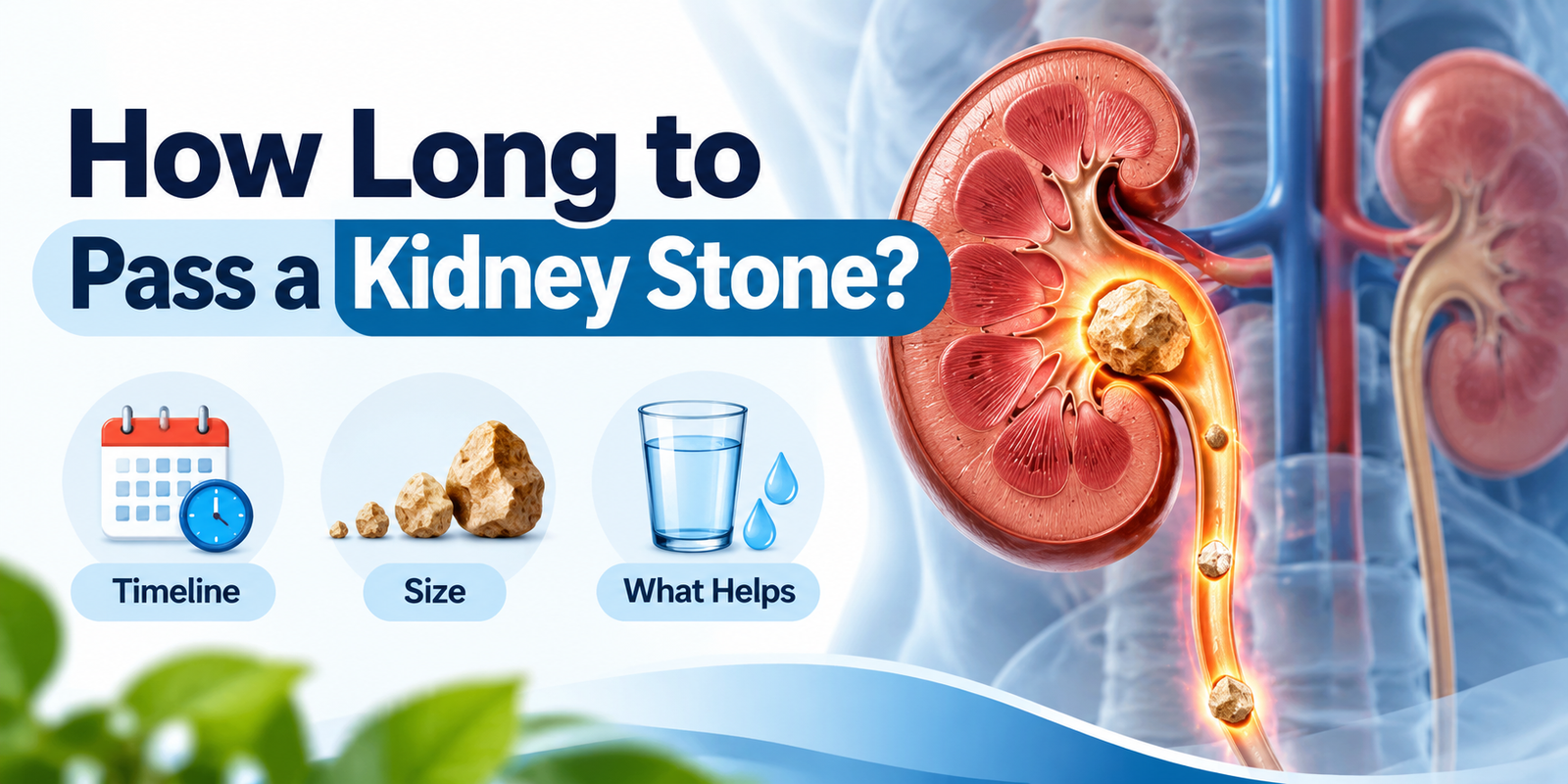
The time it takes to pass a kidney stone depends almost entirely on its size. Small stones under 4 mm usually pass within 1 to 2 weeks and have an 80 percent chance of passing on their own. Stones between 4 and 6 mm pass in 2 to 3 weeks on average, with roughly a 60 percent success rate. Stones larger than 6 mm often need medical help and only a small percentage pass without intervention. Drinking plenty of water, taking prescribed pain relief, and sometimes an alpha-blocker medication can significantly speed the process. If pain is severe, you have fever, or you cannot urinate, seek urgent care.
Being told you have a kidney stone brings an immediate practical question: how long will this last? The honest answer is that it depends on the size of the stone, where it is, and how your body responds to it. This guide walks through realistic timelines, what helps a stone pass faster, how to know when it has passed, and when it is time to stop waiting and see a urologist.
Can You Pass a Kidney Stone on Your Own?
Most people can. Small kidney stones often pass naturally with time, hydration, and good pain management. Larger stones are a different story. The decision between watchful waiting and active treatment depends on three main factors: the size of the stone, its location in the urinary tract, and whether it is causing complications such as infection or blocked urine flow.
As a rough rule, if a stone is small enough to pass and causing manageable pain without blockage or infection, waiting it out is reasonable for several weeks under a urologist's guidance. If any of those conditions change, intervention becomes the better option.
Kidney Stone Size: The Single Biggest Factor

Size is the strongest predictor of whether a stone will pass on its own and how long it will take. The urinary tract is narrowest at specific pinch-points along the ureter, the tube that carries urine from the kidney to the bladder. A stone must be small enough to travel through all of them.
| Stone size | Chance of passing on its own | Typical time to pass |
|---|---|---|
| Less than 2 mm | Around 95 percent | 1 to 7 days |
| 2 to 4 mm | Around 80 percent | 1 to 2 weeks |
| 4 to 6 mm | Around 60 percent | 2 to 3 weeks |
| 6 to 8 mm | Around 20 percent | 4+ weeks if at all |
| Larger than 8 mm | Less than 10 percent | Usually need treatment |
These are averages. Some small stones pass almost immediately, and some sit in a tricky spot for days without moving. Location matters too. Stones in the lower ureter close to the bladder pass fastest, while stones higher up tend to take longer.
The Stages of Passing a Kidney Stone
A kidney stone's journey through the urinary tract usually follows four recognisable stages. Knowing them helps make sense of symptoms that can otherwise feel random and alarming.
Stage 1: The stone leaves the kidney. Often the start of symptoms. Sudden, severe pain in the back, side, or flank marks the moment the stone enters the ureter. This pain can be among the worst pains a person experiences.
Stage 2: Travelling down the ureter. Pain often comes in waves as the ureter contracts to push the stone forward. The pain may shift from the flank to the lower abdomen, groin, or (in men) the testicle. Nausea and vomiting are common. Blood in the urine is often visible.
Stage 3: Approaching the bladder. As the stone nears the junction between the ureter and bladder, pain can intensify briefly, often felt low down with a strong urge to urinate. This is sometimes the worst stage, but it is also usually the shortest.
Stage 4: Passing through the urethra. Once in the bladder, the stone usually sits briefly before being flushed out during urination. Passage through the urethra is usually quick, often with mild burning or a sense of something passing. In most people, pain drops dramatically once the stone enters the bladder.
The entire journey can take anywhere from a few hours to several weeks, depending on size and anatomy.
Signs That Your Kidney Stone Has Passed
Many people never see the stone itself, so recognising the signs it has passed matters. Look for:
- Sudden, substantial relief of pain that was previously severe
- Return of normal, pain-free urination
- An end to the waves of flank or abdominal pain
- Seeing the stone itself in urine, often by straining urine through a fine filter during the passage period
- Clearing of visible blood in the urine over the next 24 to 48 hours
Not all stones look like you would expect. Some are smooth and brown, some yellow or black, some rough and jagged, often smaller than people imagine. If you capture the stone, keep it in a clean container and bring it to your urologist for chemical analysis, which guides prevention of future stones.
What You Can Do to Help a Stone Pass Faster

Several evidence-based steps can speed the passage of a kidney stone and make the experience more bearable.
Drink Plenty of Water
Hydration is the single most important thing you can do. Aim for 2 to 3 litres of water a day unless your doctor has advised otherwise. The goal is pale yellow urine throughout the day. Good hydration keeps urine flowing and gently nudges the stone along the ureter.
Take Prescribed Pain Relief
Kidney stone pain comes from the ureter contracting around the stone. Anti-inflammatory painkillers (NSAIDs such as diclofenac or ibuprofen) reduce ureteric spasm and inflammation and are far more effective for stone pain than most people expect. Follow your doctor's prescribed dose and duration.
Consider an Alpha-Blocker Medication
An alpha-blocker such as tamsulosin, often prescribed as "medical expulsive therapy," relaxes the muscle of the ureter and significantly improves the chance of a stone passing on its own, especially stones between 4 and 10 mm in the lower ureter. This is now standard practice when a stone is likely to pass with help.
Stay Active
Gentle movement helps. Walking, light activity, and avoiding long periods of lying still can encourage a stone to progress. Avoid vigorous exercise while the stone is being treated.
Mind Your Diet Temporarily
During active passage, stick to a normal, balanced diet. Avoid very high intakes of oxalate (spinach, nuts, chocolate), excess salt, and sugary soft drinks, all of which can irritate the stone. Long-term dietary changes depend on the stone type and can be guided by analysis.
When Kidney Stones Will Not Pass on Their Own
Not every stone passes with time. See a urologist promptly if:
- Your stone is larger than 6 mm, especially if it is high in the ureter
- Pain is severe and uncontrolled despite medication
- Weeks have passed with no sign of progress on repeat imaging
- You have signs of urinary infection with the stone (fever, chills, cloudy urine)
- You have only one working kidney, are pregnant, or have other medical risk factors
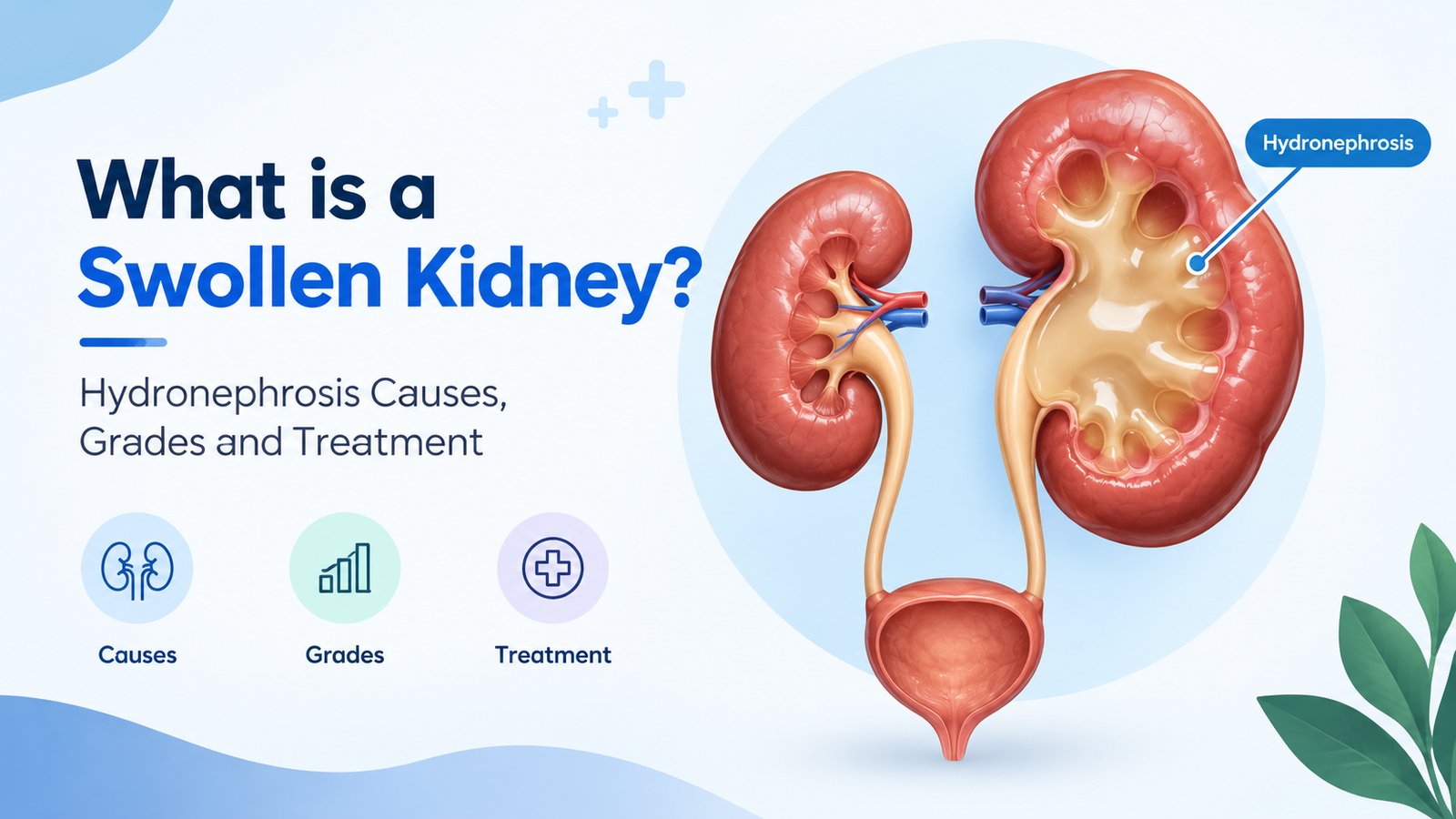
- The stone is causing significant backup of urine (hydronephrosis)
Modern treatments for stones that need help are highly effective and much gentler than open surgery.
When to Seek Urgent Care
Some situations are emergencies. Seek immediate medical care if you have:
- Fever above 38°C (100.4°F) with chills, which may signal an infected, obstructed kidney
- Severe pain that is not controlled by prescribed medication
- Vomiting that stops you from keeping fluids down
- An inability to urinate at all
- Blood in urine with large clots
- Signs of shock such as fainting, rapid heart rate, or cold, clammy skin
A kidney infection combined with an obstructing stone can escalate quickly and needs urgent treatment to prevent permanent kidney damage.
Treatments for Stones That Need Help
When a stone will not pass on its own, several effective treatment options exist:
- Shock wave lithotripsy (SWL): uses focused sound waves to break the stone into smaller fragments that can then pass
- Ureteroscopy with laser lithotripsy: a thin scope is passed up through the urethra and bladder to reach the stone, which is then broken up with a laser and removed
- Percutaneous nephrolithotomy (PCNL): used for large kidney stones through a small incision in the back
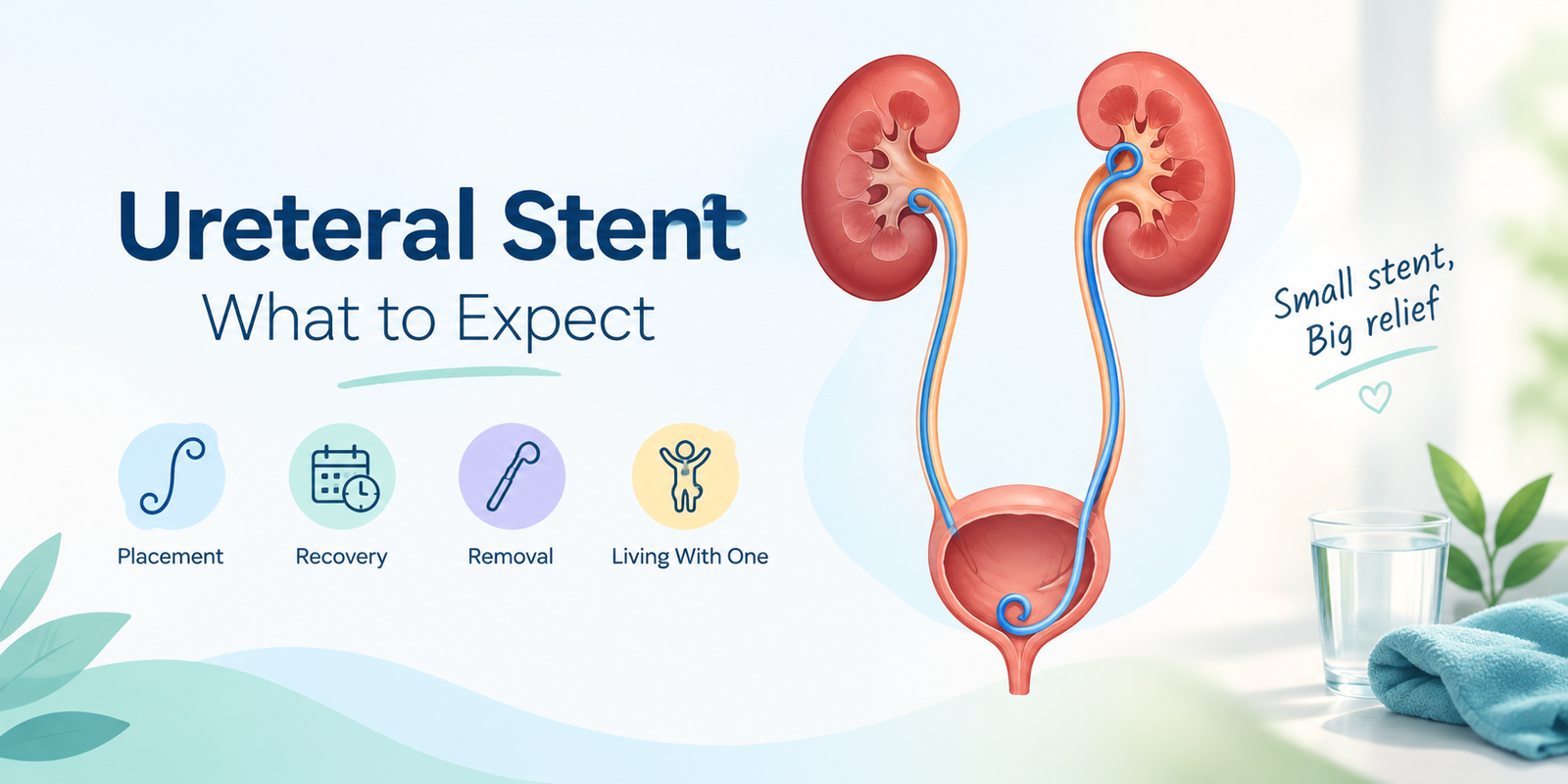
- Ureteral stent placement: often used alongside stone treatment to keep urine flowing and allow the ureter to heal. Our guide on what to expect from a ureteral stent explains the recovery and day-to-day of living with one.
The right treatment depends on stone size, location, your anatomy, and your overall health. A urologist will discuss the best option for your specific case.
Expert Care for Kidney Stones in Delhi NCR
Kidney stones can be worrying, painful, and disruptive, but they are among the most treatable urological conditions when managed by an experienced specialist. Dr. Ashish Saini is a urologist and andrologist at Excel Advanced Urology Center in Greater Kailash 1, New Delhi, whose practice covers the full range of kidney stone evaluation, medical management, and modern surgical treatment.
Depth of training means kidney stones are properly evaluated with the right imaging, assessed for whether they can pass on their own, and treated with modern techniques such as laser lithotripsy and ureteroscopy when intervention is needed, with a clear plan for preventing future stones.