

}})
A burning feeling when you pee is uncomfortable, distracting, and worrying. Most people assume it must be a urinary tract infection, and a UTI is indeed the most common reason. But burning urination, known medically as dysuria, has several other causes that are easy to miss. Kidney stones, sexually transmitted infections, prostate problems, and even everyday soaps can all make urination sting.
This detailed guide explains what burning urination really means, the seven real causes that go beyond a simple UTI, how the problem differs in men and women, and how a urologist finds and treats the exact cause.
Why Does It Burn When I Pee?
Burning when you pee means you feel pain, stinging, or discomfort while passing urine. While a urinary tract infection is the most common cause, it is far from the only one.
The main causes of burning urination beyond a UTI include:
- Sexually transmitted infections such as chlamydia and gonorrhoea
- Kidney and bladder stones scrape the urinary tract
- Prostatitis or an enlarged prostate in men
- Urethral stricture, a narrowing of the urethral passage
- Vaginal infections or dryness in women
- Interstitial cystitis, also called painful bladder syndrome
- Chemical irritants from soaps, sprays, and some medications
If burning lasts more than two days or comes with fever, blood, or discharge, see a urologist promptly.
What is Dysuria (Burning Urination)?

Dysuria is the medical term for pain or a burning sensation during urination. It is a symptom rather than a disease, which means it points to an underlying cause that needs to be identified. The burning can be felt in the urethra, the bladder area, or the genitals, and it may appear at the start, during, or at the end of urination.
What Burning Urination Feels Like
People describe dysuria in different ways, and the exact sensation can offer clues:
- Stinging or sharp pain at the opening, often linked to the urethra
- Deep burning in the lower abdomen, often linked to the bladder
- Burning at the end of urination, often linked to the bladder neck or prostate
- Burning with itching, often linked to infection or irritation
Burning Urination With Other Symptoms
The symptoms that come with the burning help reveal the cause. Burning with cloudy or smelly urine suggests infection. Burning with genital discharge suggests an STI. Burning with back or side pain suggests stones. Burning with a weak stream in men suggests a prostate problem.
Is Burning Urination Always a UTI?
No. A urinary tract infection is the most frequent cause of dysuria, especially in women, but burning urination can occur without any infection at all. Many people get a normal urine test yet still feel the burning, which means another cause is responsible. Understanding these other causes helps you get the right treatment instead of repeated antibiotics that do not solve the real problem.
7 Real Causes of Burning Urination Beyond UTI

Here are seven important non-UTI causes of burning urination that a urologist looks for.
1. Sexually Transmitted Infections (STIs)
Infections such as chlamydia, gonorrhoea, herpes, and trichomoniasis are common causes of burning urination, particularly in sexually active adults. These infections inflame the urethra and often come with extra symptoms:
- Discharge from the penis or vagina
- Pain or burning that worsens after sex
- Sores, blisters, or itching around the genitals
STIs need prompt diagnosis and treatment for both partners to prevent complications and reinfection.
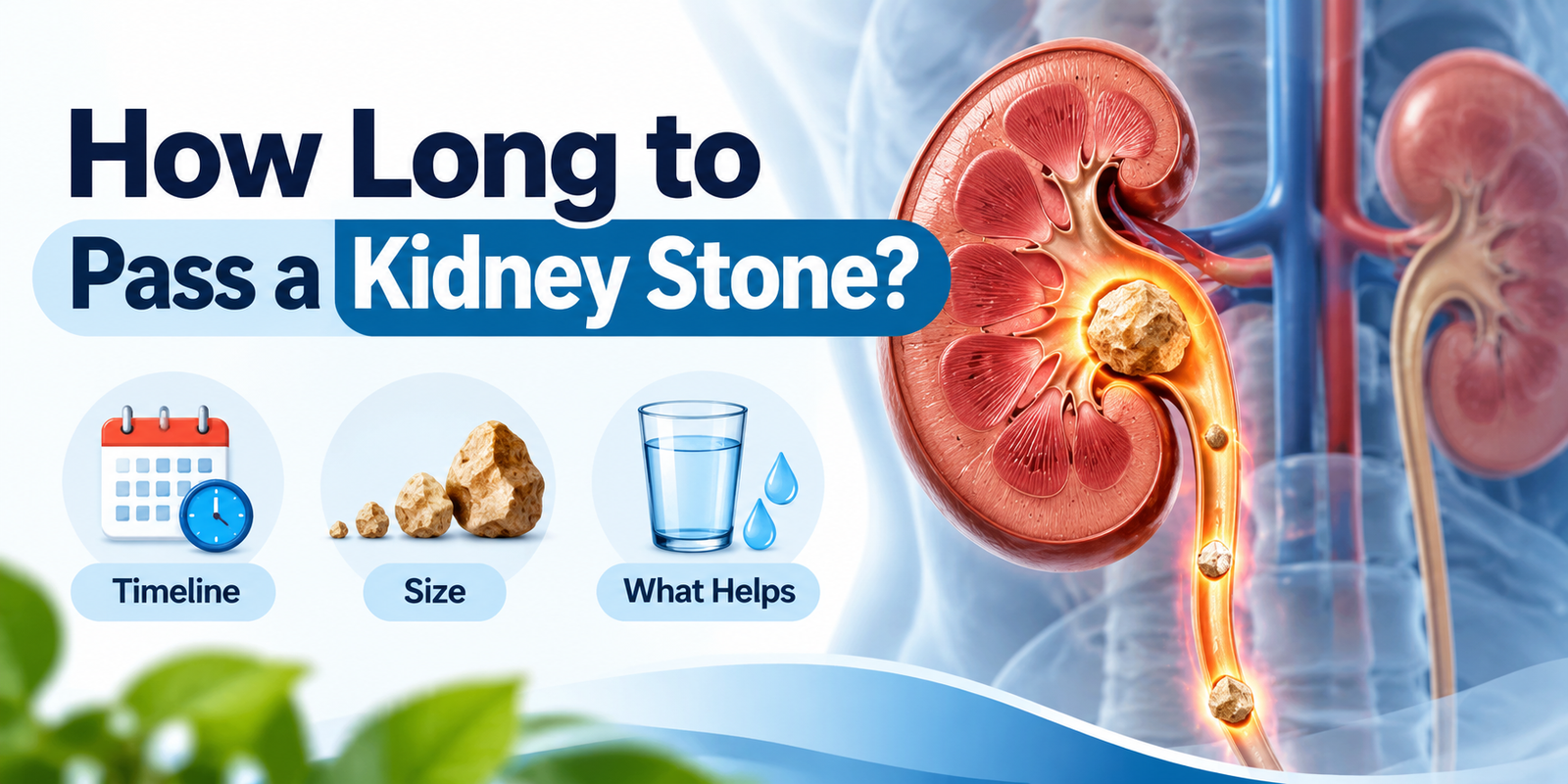
2. Kidney and Bladder Stones
Kidney stones and bladder stones can cause intense burning as they move through and irritate the urinary tract. Stone-related burning usually comes with:
- Severe, cramping pain in the back, side, or lower abdomen
- Blood in the urine
- Nausea and a frequent urge to urinate
When a stone sits near the bladder, burning at the end of urination becomes more noticeable.
3. Prostatitis and Enlarged Prostate
In men, the prostate is a frequent source of burning urination. Prostatitis, an infection or inflammation of the prostate, can cause burning along with pelvic pain. An enlarged prostate can disturb urine flow and trigger irritation and infection. Typical signs include:
- A weak or interrupted urine stream
- Frequent urination, especially at night
- Pain in the pelvis, lower back, or between the legs
4. Urethral Stricture
A urethral stricture is a narrowing of the urethra caused by scar tissue, injury, or past infection. The narrowed passage makes urination difficult and burning, and it is more common in men. Warning signs include:
- A weak or splitting urine stream
- Straining to urinate
- A feeling that the bladder is not fully empty
Urethral stricture often needs a specialist procedure to widen the passage and relieve the burning.
5. Vaginal Infections and Dryness
In women, burning urination is not always from the urinary tract. Vaginal yeast infections, bacterial vaginosis, and vaginal dryness can all cause stinging during urination. After menopause, lower oestrogen levels thin and dry the vaginal and urethral tissues, which makes burning more likely. These causes often come with itching, discharge, or discomfort during sex.
6. Interstitial Cystitis (Painful Bladder Syndrome)
Interstitial cystitis is a chronic condition that causes bladder pain, pressure, and burning without any infection. People with this condition usually have repeated normal urine tests yet continue to feel burning and a frequent, urgent need to urinate. It requires specialised management by a urologist rather than antibiotics.
7. Chemical Irritants and Medications
Everyday products can irritate the sensitive tissues of the urinary opening and cause burning. Common culprits include:
- Scented soaps, bubble baths, and intimate washes
- Vaginal sprays, douches, and spermicides
- Certain medications and chemotherapy drugs
Switching to gentle, fragrance-free products often relieves this type of burning quickly.
Burning Urination in Men
In men, burning urination is most often linked to the prostate, the urethra, and sexually transmitted infections. Important male-specific causes include:
- Prostatitis, which causes burning with pelvic pain
- An enlarged prostate, which disturbs the flow and triggers irritation
- Urethral stricture, which narrows the urine passage
- STIs, usually with discharge and burning after sex
Men with ongoing burning, a weak stream, or blood in the urine should have a full urological assessment.
Burning Urination in Women
Women experience burning urination more often because of their shorter urethra and the influence of hormones. Common female-specific causes include:
- Urinary tract infections are the most frequent reason
- Vaginal yeast or bacterial infections
- Vaginal dryness after menopause
- Irritation from hygiene products and spermicides
Pregnant women with burning urination should always seek care, since untreated infections can affect both mother and baby.
When is Burning Urination Serious? Warning Signs

Most burning urination is treatable, but certain signs mean you should seek care quickly. See a doctor without delay if burning comes with:
- Fever and chills, suggesting a spreading infection
- Blood in the urine or pink, red, or brown urine
- Severe back or side pain, suggesting kidney stones
- Genital discharge or sores, suggesting an STI
- Inability to urinate or a very weak stream
- Burning that lasts more than two days despite home care
When to See a Urologist
You should consult a urologist if burning urination lasts more than a couple of days, keeps returning, or comes with fever, blood, discharge, or back pain. A specialist is especially important when basic urine tests are normal, but the burning continues, since this points to a cause that needs deeper evaluation. Early diagnosis prevents complications and ends the cycle of repeated, ineffective treatment.
How Burning Urination Is Diagnosed
A urologist uses a clear, step-by-step approach to find the cause of dysuria. The evaluation usually includes:
- Symptom review, covering pain timing, sexual history, and medical history
- Urine analysis, to check for infection, blood, and crystals
- Urine culture, to identify bacteria and guide treatment
- STI testing, when a sexually transmitted infection is suspected
- Ultrasound or CT scan, to look for stones or structural problems
- Cystoscopy is a camera test to inspect the urethra and bladder
- Prostate examination in men, when prostate problems are suspected
Treatment Options for Burning Urination

Treatment depends entirely on the cause, which is why accurate diagnosis matters so much.
- Urinary tract infections: A course of antibiotics clears the infection.
- Sexually transmitted infections: Targeted antibiotics or antivirals treat both partners.
- Kidney and bladder stones: Minimally invasive stone removal stops the irritation.
- Prostate problems: Medication or modern prostate procedures relieve symptoms.
- Urethral stricture: A specialist procedure widens the narrowed passage.
- Interstitial cystitis: Long-term bladder-focused management reduces pain.
- Irritant-related burning: Switching to gentle products resolves the problem.
How to Prevent Burning Urination

Many causes of burning urination can be reduced with simple habits:
- Drink plenty of water to flush the urinary tract
- Urinate after sexual activity to clear bacteria
- Practise good genital hygiene with gentle, fragrance-free products
- Use protection to lower the risk of sexually transmitted infections
- Do not hold urine for long periods
- Get prompt treatment for any urinary symptoms before they worsen
Why Choose Dr Ashish Saini for Burning Urination Treatment in Delhi
Dr Ashish Saini is a leading urologist and andrologist with an MCh in Urology from AIIMS New Delhi and an MBBS and MS from KGMU Lucknow. With more than 15 years of experience and over 21,000 successful surgeries, he provides accurate diagnosis and advanced treatment for burning urination and all urinary conditions at Excel Advanced Urology Center in Greater Kailash, New Delhi.
If burning when you pee is persistent or comes with other symptoms, do not ignore it. Book a consultation for a thorough evaluation and personalised care.